The supplement industry generates over $50 billion annually, selling isolated vitamins and minerals in pill form. The marketing message is consistent: supplements are necessary because food alone cannot meet nutritional needs.
The truth is more complicated. Food vs supplements is not a binary choice. For most people, most of the time, organic whole foods deliver superior nutrition compared to isolated supplements. However, certain populations genuinely benefit from targeted supplementation.
This guide covers nutrient bioavailability differences between food and supplements, when whole organic foods outperform pills, the specific situations where supplementation makes sense, and exactly how to determine which approach serves your health goals.
Why Whole Food Nutrients Outperform Isolated Supplements
Nutrient Synergy and Cofactors
Whole foods contain hundreds of compounds that work together. Vitamins, minerals, phytonutrients, enzymes, and fiber interact in ways that enhance absorption and biological activity.
Vitamin C in an orange comes with bioflavonoids, fiber, potassium, and numerous other compounds that support vitamin C absorption and function. Synthetic ascorbic acid in a pill delivers vitamin C in isolation without these supporting nutrients.
Iron in organic spinach comes with vitamin C that enhances absorption, folate that supports red blood cell production, and fiber that moderates digestion. Iron supplements often cause digestive upset because they lack these synergistic compounds.
Superior Bioavailability
Bioavailability measures how much of a nutrient your body actually absorbs and uses. Whole food nutrients demonstrate superior bioavailability across multiple categories.
A 2014 study in the Journal of Agricultural and Food Chemistry found that calcium from kale was absorbed more efficiently than calcium carbonate supplements. The researchers attributed this to the presence of vitamin K, magnesium, and other cofactors in kale that support calcium absorption and bone deposition.
Vitamin E from whole foods exists as a complex of eight different tocopherols and tocotrienols. Most vitamin E supplements contain only alpha-tocopherol in synthetic form. Research suggests the full spectrum found in whole foods provides superior antioxidant protection.
Our guide on organic spinach covers the full nutrient profile and how compounds work together for superior absorption.
Food Matrix Effects
The “food matrix” refers to the physical structure and composition of whole foods that influences nutrient absorption. Nutrients embedded in whole food matrices are released gradually during digestion, creating sustained availability.
Fat-soluble vitamins (A, D, E, K) in whole foods come with natural fats that facilitate absorption. Vitamin A from organic sweet potatoes or carrots absorbs efficiently because these foods contain fiber and natural sugars that moderate digestion.
Isolated vitamin supplements bypass the food matrix entirely, leading to rapid absorption spikes that the body cannot fully utilize. Excess water-soluble vitamins are excreted, while excess fat-soluble vitamins may accumulate to toxic levels.
No Risk of Nutrient Imbalance
High-dose single-nutrient supplements create imbalances. Taking calcium without adequate magnesium, vitamin D, and vitamin K2 may increase cardiovascular risk despite supporting bone density.
Whole foods deliver nutrients in balanced ratios that prevent deficiency-induced imbalances. Organic dairy provides calcium with protein, vitamin D, vitamin K2, magnesium, and phosphorus in proportions that support bone health without disrupting other systems.
Our guide on vitamin K2 food sources explains why this often-overlooked nutrient matters for directing calcium into bones rather than arteries.
When Supplements Make Sense
Despite whole food superiority, certain situations warrant targeted supplementation.
Documented Deficiency
If blood tests reveal deficiency, supplementation may be necessary to restore levels quickly while dietary improvements take effect.
Vitamin D deficiency affects an estimated 40 percent of Americans. Food sources provide inadequate amounts for most people, particularly those in northern latitudes. Supplementation at 1,000 to 2,000 IU daily is often necessary.
Vitamin B12 deficiency is common in vegans and vegetarians because B12 exists almost exclusively in animal products. Supplementation or fortified foods are necessary for plant-based diets.
Iron deficiency affects menstruating women and people with absorption issues. Supplementation under medical supervision may be necessary when food sources prove inadequate.
Life Stage Specific Needs
Pregnancy and breastfeeding increase nutrient requirements beyond what diet alone easily provides. Prenatal vitamins with folate, iron, and DHA support fetal development and maternal health.
Older adults often require vitamin B12, vitamin D, and calcium supplementation due to reduced absorption and lower dietary intake.
Infants require vitamin D supplementation because breast milk provides inadequate amounts.
Restricted Diets
Vegans require vitamin B12 supplementation and may benefit from iron, zinc, and omega-3 (algae-based DHA) supplements.
People with food allergies eliminating major food groups may develop deficiencies requiring supplementation.
Therapeutic elimination diets for autoimmune or digestive conditions may create temporary nutrient gaps.
Specific Health Conditions
Osteoporosis may warrant calcium, vitamin D, magnesium, and vitamin K2 supplementation alongside dietary sources.
Cardiovascular disease may benefit from omega-3 fatty acid supplementation when fish intake is inadequate.
Autoimmune conditions may require targeted supplementation based on individual nutrient testing and medical guidance.
Geographic and Environmental Limitations
Northern latitudes receive inadequate sun exposure for vitamin D synthesis 6 to 8 months yearly, requiring supplementation.
Food deserts with limited access to fresh produce may necessitate multivitamin supplementation as a stopgap measure while working toward better food access.
Nutrient Bioavailability: Food vs Supplements
| Nutrient | Whole Food Advantage | Supplement Considerations |
|---|---|---|
| Vitamin C | Comes with bioflavonoids enhancing absorption; gradual release from food matrix | Isolated ascorbic acid; rapid absorption and excretion; synthetic forms |
| Calcium | Absorbed with vitamin K, magnesium, and protein from whole foods | May interfere with iron and zinc absorption; requires cofactors |
| Iron | Non-heme iron with vitamin C enhancers; gradual absorption | Often causes digestive upset; heme iron supplements better absorbed |
| Vitamin D | Limited food sources; sun exposure is primary | Necessary for most people; oil-based supplements absorb best |
| Omega-3 fatty acids | Whole fish provides EPA, DHA, protein, and minerals | Fish oil supplements oxidize easily; algae-based options for vegans |
| Magnesium | Whole foods provide multiple magnesium forms | Magnesium citrate or glycinate is better than oxide; food sources are preferred |
| Folate | Food folate is absorbed efficiently with B12, B6 | Synthetic folic acid may mask B12 deficiency; methylfolate preferred |
| Zinc | Animal foods provide highly bioavailable zinc | Plant foods contain phytates, reducing absorption. Supplements are useful for vegans |
The food column consistently demonstrates superior absorption, cofactor presence, and lack of side effects compared to isolated supplements.
The Organic Food Advantage for Nutrient Density
Organic farming practices that prioritize soil health produce crops with higher nutrient density than conventionally grown equivalents.
A 2014 meta-analysis in the British Journal of Nutrition analyzed 343 studies comparing organic and conventional crops. The results: organic crops contained 17 percent more antioxidants, 69 percent more flavonols, and higher concentrations of phenolic acids.
The nutrient advantage comes from soil quality. Organic farming uses compost, cover crops, and crop rotation that maintain trace mineral content. Conventional farming depletes soil minerals through intensive practices focused on yield over nutrition.
When choosing between supplements and food, organic whole foods deliver not just the primary nutrient but the full spectrum of supporting compounds that enhance absorption and biological activity.
Our guide on organic vs conventional foods covers nutrient density differences across all food categories.
Building a Food-First Nutrition Strategy
Priority Nutrients From Whole Foods
Vitamin C: Organic bell peppers, citrus, strawberries, kiwi, broccoli deliver abundant vitamin C with synergistic compounds. Supplementation rarely necessary.
Calcium: Organic dairy, leafy greens, almonds, sesame seeds provide calcium with magnesium and vitamin K. Food sources preferred over supplements.
Our guide on potassium-rich organic foods covers how mineral-rich whole foods support cardiovascular health better than isolated supplements.
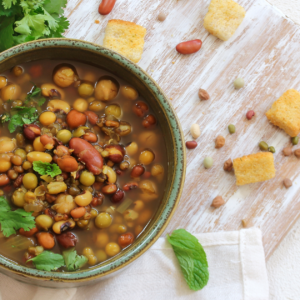
Iron: Organic grass-fed beef, lentils, spinach, pumpkin seeds deliver iron with protein and vitamin C enhancers. Supplements only when deficiency confirmed.
Our guide on organic lentils and beans covers plant-based iron sources and preparation methods that enhance absorption.
Magnesium: Organic pumpkin seeds, almonds, spinach, dark chocolate, avocados provide magnesium with healthy fats and fiber.
B Vitamins: Organic eggs, meat, fish, legumes, whole grains deliver full B-complex with supporting nutrients.
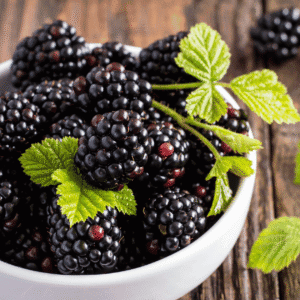
Antioxidants: Organic berries, leafy greens, herbs, spices provide thousands of phytonutrients that supplements cannot replicate.
Our guide on organic diet and immunity covers how whole food phytonutrients support immune function better than isolated antioxidant supplements.
Meal Planning for Nutrient Density
Build meals around organic whole foods that deliver multiple nutrients simultaneously:
Breakfast: Organic oats with berries, almonds, and organic yogurt provides calcium, magnesium, fiber, probiotics, antioxidants.
Our guide on organic oats nutrition and benefits covers how oats deliver multiple nutrients in balanced ratios.
Lunch: Large salad with organic leafy greens, vegetables, beans, nuts, olive oil dressing delivers vitamins A, C, K, folate, iron, calcium, fiber.
Dinner: Wild salmon, organic sweet potato, sautéed organic greens provides omega-3s, vitamin A, calcium, iron, vitamin K.
Snacks: Organic fruits, nuts, seeds provide vitamin E, magnesium, healthy fats, fiber.
This eating pattern delivers comprehensive nutrition without supplementation for most healthy adults.
Our 21-day organic meal plan provides structured daily examples of nutrient-dense whole food meals.
Smart Supplementation When Necessary
If blood tests or medical guidance indicate supplementation is necessary:
Choose Quality Supplements
Third-party testing: Look for USP, NSF, or ConsumerLab verification ensuring purity and potency.
Whole food-based supplements: Companies like Garden of Life, MegaFood, and New Chapter extract nutrients from concentrated whole foods rather than synthetic isolation.
Bioavailable forms: Methylfolate instead of folic acid, magnesium glycinate instead of oxide, vitamin D3 instead of D2.
Avoid mega-doses: More is not better. Doses exceeding 100 to 200 percent of RDA rarely provide additional benefits and may cause harm.
Take With Food
Fat-soluble vitamins (A, D, E, K) require dietary fat for absorption. Take with meals containing healthy fats.
Minerals like iron and calcium absorb better with food and cause less digestive upset when taken with meals.
Monitor and Reassess
Retest nutrient levels after 3 to 6 months of supplementation. Adjust or discontinue based on results.
Continue improving diet quality. Supplements should be temporary interventions while dietary improvements take effect, not permanent crutches.
The Supplement Industry Reality
The supplement industry is poorly regulated. The FDA does not test supplements for safety or efficacy before sale. Manufacturers self-report compliance.
Third-party testing by ConsumerLab repeatedly finds supplements that:
- Contain less than labeled amounts
- Contain unlabeled ingredients
- Contain contaminants including heavy metals
- Make unsubstantiated health claims
Whole organic foods carry no such concerns. You know exactly what you are getting.
Our guide on how to spot fake organic products covers label reading skills that apply to both food and supplements.
The Bottom Line
For most healthy adults eating varied organic whole foods, supplementation is unnecessary and may provide no additional benefit. Whole foods deliver superior nutrient bioavailability, synergistic compounds, and balanced ratios that isolated supplements cannot replicate.
Vitamin D is the exception requiring supplementation for most people due to inadequate sun exposure and limited food sources.
Specific populations genuinely benefit from targeted supplementation: pregnant and breastfeeding women, vegans, older adults, people with diagnosed deficiencies, and those with absorption issues or restricted diets.
If you choose to supplement, select third-party tested products, avoid mega-doses, take with food, and reassess regularly. Supplements should complement, not replace, nutrient-dense organic whole foods.
The best investment in nutrition is not a bottle of pills. It is access to organic whole foods: vegetables, fruits, whole grains, legumes, nuts, seeds, and high-quality animal products for those who consume them.
Build meals around these foods. Eat a wide variety. Prioritize organic for Dirty Dozen items and nutrient-dense choices. That strategy delivers comprehensive nutrition that no supplement regimen can match.
FAQs
Q1: Are whole foods better than supplements for nutrition? Yes, for most people. Whole organic foods provide nutrients with synergistic compounds, cofactors, and fiber that enhance absorption and biological activity. A 2014 study found calcium from kale absorbed more efficiently than calcium carbonate supplements. Food delivers balanced nutrient ratios, preventing deficiency-induced imbalances that isolated supplements create.
Q2: When should I take supplements instead of getting nutrients from food? Supplementation makes sense for documented deficiencies (confirmed by blood tests), pregnancy and breastfeeding, vitamin D in northern latitudes, vitamin B12 for vegans, specific health conditions requiring therapeutic doses, and restricted diets eliminating major food groups. Most healthy adults eating varied organic whole foods do not need supplements.
Q3: Why is nutrient bioavailability better from food than supplements? Whole foods contain cofactors that enhance absorption. Vitamin C in oranges comes with bioflavonoids, iron in spinach comes with vitamin C enhancers, and calcium in kale comes with vitamin K and magnesium. The food matrix releases nutrients gradually during digestion for sustained availability. Isolated supplements lack these synergistic compounds.
Q4: Can I just take a multivitamin instead of eating healthy food? No. Multivitamins cannot replicate the thousands of phytonutrients, fiber, and synergistic compounds in whole foods. They provide isolated nutrients in synthetic forms with inferior bioavailability. Whole foods deliver comprehensive nutrition that supplements cannot match. Supplements should complement, not replace, nutrient-dense organic whole foods.
Q5: Do organic foods have more nutrients than conventional foods? Yes. A 2014 meta-analysis of 343 studies found organic crops contained 17 percent more antioxidants, 69 percent more flavonols, and higher phenolic acids than conventional crops. Organic farming prioritizes soil health, maintaining trace mineral content. Conventional farming depletes soil minerals through intensive practices focused on yield over nutrition.
Q6: What supplements does everyone need to take? Vitamin D is the only supplement most people genuinely need due to inadequate sun exposure and limited food sources. Most healthy adults eating varied organic whole foods do not need other supplements. Pregnant women need prenatal vitamins. Vegans need B12. Specific populations require targeted supplementation based on blood tests and medical guidance.
Q7: Are expensive whole food-based supplements better than synthetic vitamins? Generally yes. Whole food-based supplements from companies like Garden of Life or MegaFood extract nutrients from concentrated whole foods rather than synthetic isolation, providing more bioavailable forms with natural cofactors. However, eating actual organic whole foods is superior and more cost-effective than any supplement, including whole food-based versions.
Q8: How do I know if I need supplements or if food is enough? Get comprehensive blood work testing vitamin D, B12, iron, folate, and other nutrients based on your diet and symptoms. Work with a healthcare provider to interpret results. If deficient, supplement temporarily while improving diet quality. Most people discover that eating varied organic whole foods eliminates need for ongoing supplementation.