

People all over the world love chickpeas. They offer incredible versatility in the modern kitchen. Many ancient cultures rely heavily on these powerful legumes for daily sustenance. When you choose organic chickpeas, you elevate your daily meals completely. You actively protect your body from harmful synthetic chemicals while maximizing your vital nutrient intake.
This comprehensive guide explores everything you need to know about these amazing legumes. We will review essential chickpea nutrition facts and highlight the massive power of chickpea protein. You will also learn the clear differences when comparing canned vs dried chickpeas. Finally, we will detail incredible chana dal benefits and share exactly how to cook them perfectly in your own kitchen.
The Global History of the Garbanzo Bean
The chickpea possesses a deeply fascinating global agricultural history. Botanists trace the original cultivation of this legume directly back to the ancient Middle East. Farmers grew these resilient crops over seven thousand years ago. Ancient Romans and Greeks highly valued the garbanzo bean for its cheap and highly reliable calories.
Early traders eventually carried the precious seeds across the globe. Today, skilled farmers cultivate organic chickpeas in warm, temperate climates worldwide. Top commercial producers include India, Australia, and the United States.
Organic farmers utilize highly sustainable methods to grow healthy, nutrient-dense crops. They prioritize rich soil biology instead of relying on dangerous chemical sprays. They use natural crop rotation and beneficial cover crops to manage their healthy fields perfectly.
Exploring Chickpea Nutrition Facts
Organic chickpeas provide exceptional nutrient density with very little natural fat. They offer a perfect balance of complex carbohydrates, essential dietary fiber, and vital daily micronutrients. Understanding exactly what organic food is helps you appreciate the absolute purity of these essential plant nutrients.
The table below highlights the specific chickpea nutrition facts for one single cup of cooked organic chickpeas.
| Nutrient | Amount per Cooked Cup | Percentage of Daily Value |
| Calories | 269 kcal | 13% |
| Carbohydrates | 45.0 grams | 16% |
| Dietary Fiber | 12.5 grams | 44% |
| Protein | 14.5 grams | 29% |
| Folate (Vitamin B9) | 282 micrograms | 70% |
| Iron | 4.7 milligrams | 26% |
| Phosphorus | 274 milligrams | 27% |
| Copper | 0.6 milligrams | 64% |
| Manganese | 1.7 milligrams | 73% |
As the table clearly shows, chickpeas serve as an outstanding source of vital folate and manganese. They also supply a highly respectable amount of dietary fiber and essential iron. You can easily learn more about the health benefits of eating organic and how clean soil maximizes these natural trace minerals on our blog.
The Power of Organic Chickpea Protein
The massive power of chickpea protein transforms plant-based diets completely. Vegans and vegetarians rely heavily on these dense legumes to meet their strict daily protein requirements. One cooked cup delivers nearly fifteen grams of highly digestible plant protein.
Your body desperately requires this clean protein to build strong muscles and repair damaged cellular tissues. Chickpeas do not contain every single essential amino acid by themselves. However, combining chickpeas with whole grains creates a complete protein profile instantly.
This simple culinary combination provides all nine essential amino acids your body cannot produce naturally. Eating hummus with whole wheat pita bread perfectly demonstrates this powerful protein synergy. You can easily incorporate these protein combinations into a 21-day organic meal plan to boost your daily clean energy levels.
Top Health Benefits of Eating Organic Chickpeas
Eating organic chickpeas consistently supports your internal physical health. The unique combination of natural fiber and essential vitamins fuels multiple bodily systems simultaneously.
Supports Robust Heart Health
Your cardiovascular system requires constant nutritional support to function optimally. Chickpeas contain massive amounts of soluble dietary fiber. This specific fiber actively binds to excess cholesterol in your digestive tract and removes it safely from your body.
They also provide excellent potassium levels to lower your resting blood pressure naturally. Discover more highly effective dietary strategies for cardiovascular wellness in our detailed article about organic food and heart health.
Promotes Excellent Digestion
Your digestive system thrives when you consume complex plant fibers regularly. Insoluble fiber adds necessary heavy bulk to your daily stool. This completely prevents uncomfortable constipation and keeps your digestive tract moving smoothly.
Soluble fiber feeds your beneficial gut bacteria safely. This internal biological process actively reduces severe colon inflammation and promotes a highly robust gut microbiome.
Supercharges Your Immune System
Your body demands constant trace minerals to build a truly robust immune system. Chickpeas provide massive amounts of vital zinc and copper. These crucial essential minerals force your body to produce highly active white blood cells.
Regular consumption helps your body defend itself against seasonal illnesses naturally. You can learn more about building your internal defenses in our comprehensive guide on organic food and immunity.
Aids Sustainable Weight Management
You can easily manage a healthy body weight by eating chickpeas regularly. They provide incredible physical volume to your daily meals without adding excessive empty calories. Their incredibly high fiber content keeps you feeling full and highly satisfied for many hours.
This simple dietary habit naturally prevents accidental overeating later in the afternoon. Substituting heavy meats with these lean legumes dramatically lowers your total calorie consumption.
Canned vs Dried Chickpeas: Which Should You Choose?
Shoppers constantly face a serious choice when buying these legumes at the grocery store. You must closely weigh the specific pros and cons of canned vs dried chickpeas. Both options provide excellent nutritional value, but they serve very different kitchen needs.
Dried chickpeas require significant preparation time. You must soak them overnight in cold water and boil them actively for several hours. However, dried beans cost significantly less money and offer superior texture control. You can cook them until they reach your exact desired firmness.
Canned chickpeas offer incredible immediate convenience for busy weeknights. You simply open the can, rinse the beans thoroughly, and eat them immediately. However, conventional canned beans often contain extremely high levels of added sodium. You must practice reading labels and ingredients carefully. Always choose BPA-free cans packed with low-sodium water.
Comparing Canned and Dried Formats
| Feature | Canned Organic Chickpeas | Dried Organic Chickpeas |
| Preparation Time | Zero minutes (Ready to eat) | 12 hours soaking plus 2 hours boiling |
| Cost per Serving | Slightly higher | Extremely low and budget-friendly |
| Texture Control | Very soft, cannot adjust | Highly customizable firmness |
| Sodium Content | Often high (requires rinsing) | Naturally sodium-free |
| Pantry Shelf Life | Up to two years | Up to two years |
Exploring Chana Dal Benefits
You must also explore incredible chana dal benefits when discussing these versatile legumes. Chana dal refers to a specific type of dark brown chickpea known as Kala Chana. Farmers split the hard bean in half and completely remove the thick outer skin.
This traditional processing method creates a highly digestible and incredibly fast-cooking legume. Chana dal provides a beautifully sweet and highly nutty flavor profile. Cooks use it extensively in traditional Indian soups and thick, savory vegetarian curries.
It boasts an incredibly low glycemic index rating. This low index prevents severe blood sugar spikes after eating heavy meals. It serves as an absolutely perfect ingredient for individuals actively managing their daily blood sugar levels.
Why You Must Choose Organic Chickpeas
You face a very important choice when buying basic pantry staples. You must constantly decide whether to purchase organic or conventional items. When it comes to dense legumes, choosing organic remains an absolute health necessity.
Conventional farmers spray their bean crops heavily with toxic chemical pesticides. Furthermore, they frequently use synthetic chemical desiccants to dry the green plants quickly right before harvest. The beans absorb these synthetic drying chemicals directly into their internal cellular structure.
Vigorously washing or boiling the conventional beans does not remove the toxic chemicals completely. Buying certified organic chickpeas completely eliminates this serious daily health risk. Organic farmers rely entirely on natural pest control methods and natural sun drying. You can read a complete breakdown of agricultural differences in our guide on organic vs conventional foods.
Creative Ways to Use Organic Chickpeas Every Day
You can effortlessly incorporate these highly versatile legumes into your daily diet. They elevate the distinct flavor profile of both simple and complex daily meals.
Blend Creamy Homemade Hummus
You can easily create wonderful, healthy dips using soft organic chickpeas. Blend cooked chickpeas actively with organic tahini, extra virgin olive oil, fresh lemon juice, and raw garlic. This simple mechanical process creates incredibly smooth and highly flavorful homemade hummus. It tastes vastly superior to store-bought plastic tubs.
Roast Them for Crunchy Snacks
You can quickly transform soft chickpeas into highly crunchy afternoon snacks. Toss cooked and fully dried beans lightly with organic olive oil, smoked paprika, and coarse sea salt. Roast them in a hot oven until they turn completely crispy on the outside. They serve as an amazing, protein-packed alternative to highly processed potato chips.
Upgrade Your Soups and Salads
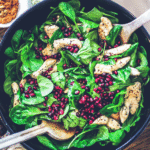
Organic chickpeas add beautiful texture and clean plant protein to fresh green salads. Toss them directly with mixed organic greens, diced cucumbers, and a light lemon vinaigrette. You can also add them directly to hearty winter vegetable soups. They absorb the savory vegetable broth beautifully. You can easily pair them with other top organic superfoods for a massive daily nutritional boost.
Conclusion
Organic chickpeas offer incredible overall value for your long-term daily health. They provide essential daily trace minerals, immense complex carbohydrates, and highly powerful dietary fiber. Buying certified organic versions guarantees you completely avoid harmful synthetic pesticides permanently trapped inside the beans.
By fully understanding chickpea nutrition facts and maximizing chickpea protein, you naturally restore your body to its absolute healthiest state. You can easily choose between the rapid convenience of canned beans or the budget-friendly nature of dried varieties. Adopting these clean legumes into your daily organic lifestyle guarantees your body will absolutely appreciate the massive daily nutritional boost.
Frequently Asked Questions
Are organic chickpeas actually better than conventional ones?
Yes. Conventional farmers use synthetic chemical desiccants to dry their bean crops quickly before harvest. Organic farmers strictly avoid these harsh chemicals, ensuring your food remains completely free of toxic synthetic residues.
Do canned chickpeas have less protein than dried chickpeas?
No. Both formats provide the exact same high-quality plant protein. However, you must rinse canned chickpeas thoroughly to remove excess sodium added during the commercial manufacturing process.
Can you safely eat organic chickpeas every single day?
Yes. You can eat them daily safely. They provide excellent complex carbohydrates and clean plant protein. If you experience minor bloating initially, simply increase your water intake to help process the high dietary fiber.
What exactly is chana dal?
Chana dal is a specific type of dark brown chickpea. Farmers split the bean perfectly in half and remove the outer skin. This creates a fast-cooking, highly digestible legume with a very sweet, nutty flavor profile.
Do I absolutely need to peel chickpeas before making hummus?
No. You do not strictly need to peel them. Leaving the skins on provides extra dietary fiber. However, peeling them manually creates a significantly smoother and creamier final texture for your homemade dip.









[…] and blood sugar control both matter. Organic lentils and beans belong in regular rotation, and organic chickpeas make an easy addition to salads and grain […]