Frozen sweet peas are one of the most nutritionally complete, affordable, and underappreciated foods in the entire frozen aisle.
They are technically legumes, not vegetables — which means they deliver plant-based protein and fiber at levels that most vegetables cannot match. One cup provides 8 grams of protein and 9 grams of fiber alongside vitamins K, C, and A, folate, potassium, manganese, and iron. The glycemic index is just 51 — low enough to actively support blood sugar control.
They are also on the EWG 2026 Clean Fifteen, with the added advantage that freezing and processing provide a second layer of protection beyond what the pea pod already offers.
This guide covers everything worth knowing about frozen sweet peas: their nutrition profile, health benefits, how organic and conventional versions compare, how to cook them well, and why frozen is often nutritionally superior to fresh.
What Are Sweet Peas and Why Are They Different From Other Peas?
Sweet peas (Pisum sativum) are a variety of garden peas bred specifically for human consumption at the young, tender stage — harvested before the sugars convert to starch, which is precisely what gives them their characteristic sweetness.
They are classified as legumes, not vegetables, which places them in the same nutritional family as chickpeas, lentils, and beans. This distinction matters nutritionally: sweet peas carry significantly more protein than true vegetables and provide prebiotic fiber that feeds gut bacteria. Most vegetables grown for the produce aisle simply cannot match this combination.
Unlike snap peas and snow peas (where the whole pod is eaten), sweet peas are shelled before eating. The round, bright green seeds are what you find in frozen bags and canned products.
Fresh sweet peas have an extremely short peak season — typically four to six weeks in spring — and lose sweetness rapidly after harvest as their sugars convert to starch within hours. Freezing solves both problems.
The Case for Frozen Over Fresh
This is one of the clearest examples in all of produce where frozen is genuinely the better default choice.
Fresh peas lose up to half of their vitamin C content within 24 hours of being picked. By the time fresh peas travel from farm to distribution center to store shelf to your refrigerator, significant degradation has already occurred. You are often buying a nutritionally diminished version of what was harvested.
Frozen sweet peas are harvested at peak ripeness and flash-frozen within hours of picking. The rapid temperature drop halts enzymatic activity, locking in their sugars, vitamins, and antioxidants at the point of maximum nutritional value. You get the peas exactly as they were at harvest — which is nutritionally better than fresh peas that have sat in transit for several days.
Registered dietitians from the Academy of Nutrition and Dietetics consistently rank frozen peas as the preferred form for both nutrient retention and flavor, followed by fresh in-season peas, followed by canned. The difference between frozen and canned is meaningful: canned peas often contain added sodium and lose some nutrients in the heating process.
Frozen Sweet Peas: Full Nutrition Profile
Per half cup (80g) of frozen sweet peas, cooked without added salt:
Calories: 67 Carbohydrates: 11g Dietary fiber: 4g (soluble and insoluble) Natural sugars: 4g Protein: 4g Fat: 0.2g (essentially fat-free) Glycemic index: 51 (low)
Key vitamins and minerals per half cup:
| Nutrient | Amount | % Daily Value |
|---|---|---|
| Vitamin K | ~18mcg | ~15% DV |
| Vitamin C | ~13mg | ~14% DV |
| Vitamin A | ~765 IU | ~15% DV |
| Folate | ~47mcg | ~12% DV |
| Thiamine (B1) | ~0.23mg | ~19% DV |
| Manganese | ~0.3mg | ~13% DV |
| Iron | ~1.2mg | ~7% DV |
| Potassium | ~216mg | ~5% DV |
| Magnesium | ~23mg | ~5% DV |
| Zinc | ~0.8mg | ~7% DV |
A full cup (160g cooked) doubles these values, providing approximately 8 grams of protein and 9 grams of fiber at 134 calories — one of the best protein-to-calorie ratios in the entire vegetable and legume category.
The Health Benefits of Frozen Sweet Peas
Plant-Based Protein
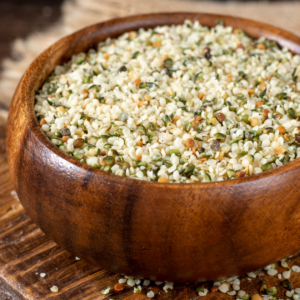
Sweet peas provide about 8 grams of protein per cooked cup — seven times more than the same serving of carrots and significantly more than most other vegetables. This puts them nutritionally on par with hemp seeds, quinoa, and other plant-based protein sources.
Pea protein contains all essential amino acids, though it is relatively lower in methionine. Combining peas with grains or other legumes provides a complete amino acid profile. The protein content makes frozen peas a genuinely valuable food for vegetarians, vegans, and anyone reducing animal product consumption.
Blood Sugar Control
Sweet peas have a glycemic index of 51 — firmly in the low category. Their combination of protein, soluble fiber, and complex carbohydrates works together to slow the absorption of glucose into the bloodstream, preventing the sharp spikes associated with refined carbohydrates.
Research published in the American Journal of Clinical Nutrition found that eating foods with a low glycemic index, including peas, is associated with a lower risk of developing diabetes. Studies also show that a pulse-based diet is effective in preventing insulin resistance. The fiber and protein in peas create sustained satiety without glycemic disruption — making them a smart carbohydrate choice for people managing blood sugar.
Digestive Health and Gut Microbiome
Frozen sweet peas provide both soluble and insoluble fiber, supporting two distinct aspects of digestive health.
Soluble fiber dissolves in water and forms a gel-like substance in the digestive tract, slowing glucose absorption and helping lower LDL cholesterol. Insoluble fiber adds bulk to stool and supports regular bowel movements. Together, they reduce risk of inflammatory bowel disease, irritable bowel syndrome, and colon cancer according to research cited by Healthline.
The prebiotic oligosaccharides in peas also feed beneficial gut bacteria including Bifidobacteria and Lactobacilli, supporting a diverse and healthy gut microbiome. This prebiotic function is a meaningful contribution to long-term digestive resilience and immune function.
Heart Health
Peas support cardiovascular health through several overlapping mechanisms.
Soluble fiber lowers LDL cholesterol by binding to cholesterol molecules in the digestive tract and facilitating their removal. Omega-3 and omega-6 fatty acids in peas reduce oxidative stress and arterial inflammation — a primary driver of plaque formation and atherosclerosis. Magnesium regulates heart rate and reduces palpitations. Potassium counters sodium’s effects on blood pressure. Antioxidant polyphenols reduce chronic systemic inflammation.
The B vitamins in peas — particularly folate, thiamine, and B6 — also reduce homocysteine levels, a blood marker strongly associated with cardiovascular disease risk when elevated.
Eye Health
Sweet peas contain lutein and zeaxanthin — the same carotenoids found in corn and eggs that concentrate in the retina and protect against age-related macular degeneration and cataracts. They also provide vitamin A and vitamin C, both of which support long-term eye function and protect against oxidative damage from UV light and blue light.
Immune Support
Vitamin C, vitamin A, and zinc are the three key immune-supporting nutrients in sweet peas, and all three are present in meaningful amounts.
Vitamin C supports white blood cell production and function. Vitamin A maintains the health of mucous membranes — the body’s first barrier against pathogens. Zinc supports immune signaling and the body’s ability to mount appropriate responses to infection. The polyphenol antioxidants in peas also modulate inflammatory response, reducing unnecessary immune activation while preserving effective pathogen defense.
Weight Management and Satiety
At 67 calories per half cup with 4 grams each of protein and fiber, frozen sweet peas create strong satiety relative to their caloric cost. You feel full from a serving that costs relatively few calories — which is the practical definition of a useful weight management food.
Research consistently shows that higher legume consumption is associated with lower body weight and healthier long-term weight management. The protein triggers satiety hormones while the fiber slows gastric emptying, extending the feeling of fullness well past the meal.
Bone Health
Vitamin K is essential for bone mineralization — the process by which calcium is incorporated into bone structure. A deficiency in vitamin K is linked to increased risk of osteoporosis and fractures. Sweet peas provide meaningful vitamin K per serving, contributing to the daily intake that supports bone density maintenance over time.
Organic vs. Conventional Frozen Sweet Peas
Frozen sweet peas have a unique advantage in the organic vs. conventional debate: they benefit from two separate layers of protection that most fresh produce does not have.
The first layer is the pea pod itself. Peas grow inside their pods, which physically shield the seeds from surface pesticide exposure during growing. Conventional pesticide applications primarily affect the pod’s exterior, not the peas inside.
The second layer is the processing step. Frozen sweet peas are shelled, blanched, and frozen before reaching you. This blanching and processing step further reduces any residual pesticide content on the peas themselves.
The result: the EWG 2026 Clean Fifteen specifically notes that frozen sweet peas have “typically very low residues with additional protection from freezing and processing” — one of the few produce items where the processing method is itself cited as a protective factor.
| Feature | Organic Frozen Sweet Peas | Conventional Frozen Sweet Peas |
|---|---|---|
| Synthetic pesticides used | Prohibited | Very low applied; pea pod provides physical barrier |
| Residue on peas | Negligible | Very low — pod protection plus blanching and processing reduce residues further |
| EWG 2026 Clean Fifteen | Yes | Yes — with noted dual protection from pod + processing |
| Nutritional difference | No significant documented difference | No significant documented difference |
| Protein and fiber content | Identical | Identical |
| Farmworker pesticide exposure | Lower | Some conventional pesticide application at farm level |
| Soil health practices | Certified organic soil management | Variable |
| Price | Typically 20 to 40% higher | Lower |
| GMO risk | Prohibited under USDA organic | No commercially available GMO garden peas currently |
| Best for | Environmental and farmworker health priorities | Budget-conscious shoppers; personal pesticide exposure is minimal |
The practical guidance: Conventional frozen sweet peas are genuinely low-risk from a personal pesticide exposure standpoint. If your organic budget is limited, redirect it to Dirty Dozen items like strawberries, spinach, or blueberries where the risk is measurably higher and there is no comparable protective layer. Buy conventional frozen sweet peas with confidence and spend your organic premium where it delivers the most protection.
If you want to support organic farming practices for environmental and farmworker reasons, organic frozen peas are widely available at most supermarkets and warehouse stores, often at competitive prices when purchased in bulk. Our guide on Buying Organic in Bulk covers how to stretch your organic budget across frozen staples.
How to Cook Frozen Sweet Peas Well
Frozen sweet peas do not need to be cooked for safety — they are blanched before freezing and are safe to eat straight from frozen (thawed). The goal in cooking is to heat them just enough to enhance their sweetness without over-softening them into mushiness.
From frozen in a pan: Add frozen peas directly to a hot pan with a small amount of olive oil or butter. Toss for 2 to 3 minutes over medium heat until just heated through. Season with sea salt and fresh mint or lemon zest. This is the fastest method and preserves texture best.
In boiling water: Add frozen peas to boiling salted water for 2 minutes maximum. Drain immediately and rinse briefly under cool water to stop cooking. Do not cover the pot — this keeps the peas bright green. Overcooking is the most common mistake people make with peas.
In soups and stews: Add frozen peas in the last 3 minutes of cooking time. They cook quickly and turn gray and mushy if added too early.
Microwave: Place in a microwave-safe bowl with 2 tablespoons of water. Cover and microwave on high for 2 to 3 minutes. Drain and serve immediately.
Raw (thawed): Frozen peas thawed in a colander under cold running water are ready to eat. Add to salads, grain bowls, and dips for texture and protein without any cooking.
Ways to Use Frozen Sweet Peas Every Day
Smashed pea toast: Thaw, roughly smash with a fork, and season with lemon juice, olive oil, salt, and chili flakes. Spread on whole grain toast for a high-protein, high-fiber breakfast alternative to avocado toast.
In pasta and risotto: Add a full cup of frozen peas in the last 2 minutes of pasta or risotto cooking. They provide plant-based protein and fiber that transforms a starchy side into a more balanced meal.
Pea soup: Blend thawed peas with vegetable broth, garlic, mint, and a squeeze of lemon for a smooth, bright green soup with an exceptional protein-to-calorie ratio. Ready in under 10 minutes.
In stir-fries: Add frozen peas directly from the freezer in the last 2 minutes of stir-fry cooking. They require no advance preparation and add sweetness, protein, and color.
In grain bowls: Toss thawed peas with quinoa, roasted vegetables, and a tahini dressing for a complete meal with protein from two plant sources.
As a quick side: Steam or pan-heat with butter and sea salt for a two-minute side dish that works alongside any protein.
For more meal ideas integrating frozen peas with other organic whole foods, our 21-Day Organic Meal Plan and 10 Organic Side Dishes for Everyday Meals include pea-based preparations throughout.
Storage and Shelf Life
In the freezer: Keep frozen sweet peas at 0°F or below. Unopened bags last 12 to 18 months. Once opened, transfer to an airtight freezer bag and use within 8 to 12 months for optimal quality.
Avoid repeated thawing. Each freeze-thaw cycle degrades cell structure and affects texture. Take out only what you need and return the bag immediately to the freezer.
Check for freezer burn: Ice crystals on peas or a faded color indicate freezer burn. Freezer-burned peas are safe to eat but will have diminished flavor and a less pleasant texture. Use them in cooked applications like soups and stews where texture matters less.
Do not refrigerate uncooked. Raw frozen peas should stay frozen until use. Cooked peas can be refrigerated in an airtight container for up to three days.
FAQs: Frozen Sweet Peas — Nutrition, Health Benefits, and Organic vs. Conventional
Q1: Are frozen sweet peas as nutritious as fresh? Often yes, and in many cases more so. Fresh peas lose up to half of their vitamin C content within 24 hours of harvest. By the time fresh peas travel from farm to store to your kitchen, significant nutrient degradation has already occurred. Frozen sweet peas are harvested at peak ripeness and flash-frozen within hours, locking in their vitamins, fiber, and antioxidants at the point of maximum nutritional value. Registered dietitians consistently rate frozen peas as the preferred form for nutrient retention, followed by fresh in-season peas, followed by canned.
Q2: How much protein do frozen sweet peas have? One cooked cup (160g) of frozen sweet peas provides approximately 8 grams of plant-based protein — seven times more than the same serving of carrots. Half a cup delivers 4 grams. This protein content puts peas on par with other top plant protein sources like quinoa, hemp seeds, and edamame. Combined with their fiber content, frozen peas are one of the best protein-to-calorie options in the entire produce and frozen food categories, making them particularly valuable in vegetarian, vegan, and protein-forward diets.
Q3: Is it better to buy organic frozen sweet peas or is conventional fine? Conventional frozen sweet peas are genuinely low-risk. The EWG 2026 Clean Fifteen specifically notes that frozen sweet peas have “typically very low residues with additional protection from freezing and processing.” The natural pea pod shields the seeds from pesticide exposure during growing, and the blanching step during commercial freezing further reduces any residual content. If your organic budget is limited, prioritize it on Dirty Dozen items like strawberries and spinach. Conventional frozen peas are a safe, nutritious, affordable option.
Q4: Are sweet peas good for blood sugar? Yes. Frozen sweet peas have a glycemic index of 51, placing them firmly in the low category. Their combination of soluble fiber, protein, and complex carbohydrates slows glucose absorption, preventing sharp blood sugar spikes. Research published in the American Journal of Clinical Nutrition links regular consumption of low-glycemic-index foods like peas to a reduced risk of developing diabetes. A pulse-based diet has also been shown to prevent insulin resistance. People managing diabetes can generally include peas as part of a balanced meal.
Q5: What vitamins and minerals are in frozen sweet peas? Frozen sweet peas are rich in vitamin K (supports bone health and blood clotting), vitamin C (immunity and collagen production), vitamin A (eye health and immune function), folate (cell growth and red blood cell production), thiamine/B1 (energy metabolism), manganese, iron, potassium, magnesium, and zinc. A half-cup serving contributes meaningfully to daily requirements across all of these. The combination of fiber, protein, and micronutrients in one low-calorie package makes them one of the most nutrient-dense foods per calorie in the entire frozen aisle.
Q6: Can you eat frozen sweet peas without cooking them? Yes. Frozen sweet peas are blanched before freezing, which means they are already safe to eat. Thaw them under cold running water and add them directly to salads, grain bowls, and dips. They have a pleasant firm texture and mild sweetness when eaten this way. For cooked applications, add them to hot dishes in the final 2 to 3 minutes only — they heat through very quickly and turn gray and mushy if overcooked.
Q7: How long do frozen sweet peas last in the freezer? Unopened frozen sweet peas last 12 to 18 months at 0°F or below. Once opened, transfer to an airtight freezer bag and use within 8 to 12 months for the best flavor and texture. Avoid repeated freeze-thaw cycles, as each cycle degrades the peas’ cell structure and affects texture. Check for freezer burn (ice crystals and faded color) — freezer-burned peas are safe to eat but work best in cooked applications like soups and stews where texture is less critical.
Q8: What is the best way to cook frozen sweet peas? The key is minimal cooking time. Add frozen peas directly to a hot pan with a little olive oil and toss for 2 to 3 minutes over medium heat — this is the fastest method and preserves texture best. For boiled peas, drop into boiling salted water for 2 minutes maximum, then drain and briefly rinse to stop cooking. In soups and stews, add them in the last 3 minutes only. For pasta and risotto, add in the final 2 minutes. Overcooking is the most common mistake — peas should be bright green and have a gentle firmness, not gray and mushy.
The Bottom Line
Frozen sweet peas belong in your freezer all year. They are among the most nutritionally complete, budget-friendly, and convenient plant foods available — delivering genuine plant protein, prebiotic fiber, meaningful vitamins, heart-healthy compounds, and blood sugar support from a product that costs a fraction of fresh seasonal peas and retains its nutrition year-round.
On the organic vs. conventional question, frozen sweet peas are one of the safest conventional purchases available. Their natural pod protection combined with blanching during processing creates a double shield against pesticide residue that the EWG specifically acknowledges. Save your organic premium for the Dirty Dozen produce where it makes the greatest difference.
Open a bag, add them to whatever you are making tonight, and use them more often than you currently do.
Want to build smarter organic shopping habits? Read our guides on the Dirty Dozen and Clean Fifteen, Organic Frozen Foods, How to Shop Organic on a Budget, and Buying Organic in Bulk to get the most from every grocery run.