

Every conversation about healthy eating eventually circles back to one fundamental question: what should I actually be putting on my plate, and how much of it? For decades, the food pyramid served as the visual answer to that question, a simple, tiered guide that told us which foods to prioritize and which to minimize. But for people committed to living and eating organically, the standard food pyramid has always felt incomplete. It tells you what to eat, but says almost nothing about how that food was grown, what is in it, or how its production affects your body and the planet.
The organic food pyramid fills that gap. It takes the proven framework of balanced nutrition and overlays it with the values and practical wisdom of organic eating, creating a comprehensive guide for building a balanced organic diet that serves both your health and your broader values simultaneously.
What Is the Organic Food Pyramid?
The organic food pyramid is a nutritional framework that adapts traditional dietary guidance to the principles of certified organic eating. Like the conventional food pyramid, it organizes food groups into tiers based on how prominently they should feature in your daily diet — from the foods you should eat most abundantly at the base, to those consumed in moderation in the middle, to those used sparingly at the top.
What distinguishes the organic food pyramid from its conventional counterpart is the layer of farming and production standards applied to each tier. Every food group is understood not just as a nutritional category but as a certified organic category, meaning the foods within it should ideally be grown without synthetic pesticides, chemical fertilizers, GMOs, or prohibited additives, and produced in accordance with USDA Organic or equivalent international certification standards.
This matters because the nutritional quality of food cannot be separated from how it was produced. An organic apple and a conventionally grown apple may look identical, but the organic version has been shown in multiple studies to contain measurably higher antioxidant and polyphenol levels, lower pesticide residues, and a cleaner overall chemical profile. When you build a diet on the organic food pyramid, you are not just eating the right food groups, you are getting the most nutritionally complete, least chemically compromised versions of those foods possible.
Understanding organic certification and what it guarantees at each level of the food system is essential before building your organic dietary framework. Our comprehensive guide on Organic Certifications Explained: USDA, EU & Beyond breaks down exactly what each seal means and how to verify it.
The Context: Food Pyramids in 2025 and Beyond
Before diving into the organic food pyramid tiers, it is worth acknowledging the evolving landscape of nutritional guidance that shapes how we think about balanced eating today.
In January 2026, the USDA and HHS released the Dietary Guidelines for Americans 2025–2030, described as the most significant reset of federal nutrition policy in decades. The guidelines are represented by an upside-down pyramid placing vegetables, fruits, proteins, dairy, and healthy fats at the top and whole grains at the bottom. The core message is simple and resonates deeply with organic values: eat real food.
For the first time, the official guidance from the United States government is to avoid highly processed food, a principle that organic food advocates have championed for years. The Guidelines emphasize simple, flexible guidance rooted in modern nutrition science: incorporating healthy fats from whole foods, focusing on whole grains while sharply reducing refined carbohydrates, and limiting highly processed foods, added sugars, and artificial additives.
These shifts align the mainstream nutritional conversation closer to organic principles than ever before. The organic food pyramid builds on this momentum, taking the “eat real food” mandate and extending it to its most complete expression: eat real, certified organic food.
The Organic Food Pyramid: Tier by Tier
The Foundation — Organic Vegetables and Fruits (5+ Servings Daily)
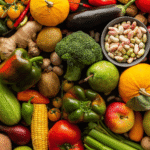
At the broad base of the organic food pyramid sit vegetables and fruits, the most nutrient-dense, antioxidant-rich, fiber-packed category of food available. This mirrors both the 2025–2030 Dietary Guidelines, which recommend 3 servings of vegetables and 2 servings of fruits daily as a baseline, and decades of nutritional science showing plant foods as the cornerstone of disease prevention.
The organic distinction here is critical. Conventionally grown produce is the most heavily pesticide-contaminated category of food in the supermarket. The Environmental Working Group’s annual Dirty Dozen list consistently identifies strawberries, spinach, kale, peaches, pears, and apples as carrying the highest pesticide residue loads among commonly consumed fruits and vegetables — all foods that appear prominently at the base of any healthy eating pyramid. Choosing organic versions of these foods makes the most significant impact on reducing your dietary pesticide exposure.
For the Clean Fifteen — avocados, sweet corn, pineapples, onions, and similar produce with naturally low residue levels — conventional purchasing is safer when budget requires it. Our detailed breakdown of the Dirty Dozen and Clean Fifteen gives you the complete, annually updated list for smarter organic prioritization at this foundation tier.
Best choices at this tier: Organic leafy greens (spinach, kale, Swiss chard), cruciferous vegetables (broccoli, cauliflower, Brussels sprouts), root vegetables (sweet potatoes, carrots, beets), seasonal berries, citrus fruits, apples, and pears, all certified organic where possible, prioritizing the Dirty Dozen.
Second Tier — Organic Proteins (2–3 Servings Daily)
Protein forms the second major tier of the organic food pyramid, and it is here that the organic distinction creates some of its most meaningful health advantages. The 2025–2030 guidelines significantly elevated the recommended daily protein intake, now suggesting 1.2–1.6 grams of protein per kilogram of body weight, a meaningful increase from the previous 0.8 g/kg recommendation that reflects growing evidence of protein’s role in muscle health, metabolic function, and satiety.
For organic eaters, the protein tier includes both animal and plant-based sources, and the organic certification governing each category carries distinct implications.
Organic animal proteins — pasture-raised poultry, grass-fed beef, organic eggs, and wild-caught or organic seafood, are produced without the routine antibiotic use that plagues conventional livestock farming. The connection between conventional meat production and antibiotic resistance is one of the most serious public health concerns of our era. Organic meat certification prohibits both synthetic growth hormones and the prophylactic use of antibiotics, producing cleaner protein with a meaningfully better nutritional profile. Pasture-raised organic meats consistently show higher levels of omega-3 fatty acids and conjugated linoleic acid (CLA) than their grain-fed conventional counterparts. Our full investigation into Is Organic Meat Healthier? covers this in depth.
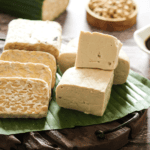
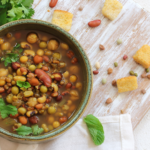
Organic plant proteins — certified organic legumes (lentils, chickpeas, black beans), organic tofu and tempeh, organic nuts and seeds — provide fiber alongside protein and are among the most environmentally efficient protein sources available. Combined appropriately across meals, plant proteins supply all essential amino acids and carry the full environmental and health benefits of organic farming.
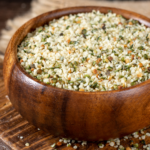
Best choices at this tier: Organic pasture-raised eggs, organic grass-fed beef, organic free-range chicken, organic wild salmon, organic lentils and chickpeas, organic almonds, walnuts, and hemp seeds.
Third Tier — Organic Dairy and Alternatives (2–3 Servings Daily)
The 2025–2030 dietary guidelines gave organic dairy one of its strongest mainstream endorsements yet, recommending three servings of full-fat dairy daily and explicitly welcoming whole milk, yogurt, and cheese into a healthy dietary pattern. For organic dairy specifically, this is significant — because the differences between organic and conventional dairy extend well beyond the farming practices.
Organic dairy cows are required to have meaningful access to pasture, receive no synthetic growth hormones (like rBGH, which is routinely used in conventional dairy), and cannot be given antibiotics prophylactically. The result is milk, cheese, and yogurt with a markedly different fatty acid profile, with organic dairy consistently showing up to 50% more omega-3 fatty acids than conventional dairy. Our detailed comparison of Organic vs. Conventional Dairy: Health Benefits Explained walks through exactly what this means nutritionally.
For those who choose plant-based dairy alternatives, certified organic options, organic oat milk, organic almond milk, organic coconut yogurt — bring the same farming quality benefits. Our guide on Organic Dairy vs. Plant-Based Alternatives helps you navigate the choice.
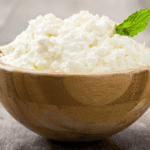
Best choices at this tier: Organic whole milk, organic full-fat yogurt, organic kefir, organic aged cheese, and organic plant-based dairy alternatives where relevant.
Fourth Tier — Organic Whole Grains (2–4 Servings Daily)
Whole grains occupy the middle tier of the organic food pyramid, important for fiber, complex carbohydrates, and B vitamins, but no longer the dietary foundation they represented in the original 1992 pyramid. The 2025–2030 guidelines recommend 2–4 servings of whole grains daily, with a sharp emphasis on minimally processed forms and a clear directive to avoid refined carbohydrates entirely.
In the organic context, whole grains take on additional significance. Conventionally grown wheat, oats, and other grains are frequently treated with glyphosate (Roundup) as a pre-harvest desiccant, a practice that has raised concerns about residue levels in conventional grain products. Organic grain certification prohibits this entirely, ensuring that your oats, brown rice, and whole wheat bread have not been treated with synthetic herbicides at any stage of production.
Best choices at this tier: Organic rolled oats, organic brown rice, organic quinoa (technically a seed but used as a grain), organic whole wheat, organic buckwheat, and organic spelt, in minimally processed forms wherever possible.
Fifth Tier — Organic Healthy Fats (Daily, in Moderation)
Healthy fats sit in the upper-middle tier of the organic food pyramid, present at every meal but in appropriate, not excessive quantities. The rehabilitation of dietary fat in mainstream nutrition science has been one of the most significant shifts of the past decade. Healthy fats are now prioritised: olive oil, nuts, seeds, and avocados are highlighted as daily staples across the most credible nutritional frameworks.
For organic eaters, the source and production of fats matters significantly. Organic extra virgin olive oil, cold-pressed from certified organic olives, is the premier culinary fat for the organic food pyramid. Organic coconut oil, organic avocado oil, and organic nut and seed oils round out the healthy fat category. Organic butter from pasture-raised cows offers a source of fat-soluble vitamins (A, D, E, K) that plant-based fats cannot replicate.
The key distinction from the organic perspective is avoiding refined industrial seed oils, conventional canola, soybean, and corn oils, which are frequently produced from GMO crops and undergo aggressive chemical processing. Organic certification provides meaningful assurance that your cooking oils come from non-GMO crops and cleaner extraction processes.
Best choices at this tier: Organic extra virgin olive oil, organic cold-pressed coconut oil, organic avocado oil, organic grass-fed butter, organic nuts and seeds as fat sources.
The Apex — What the Organic Food Pyramid Limits
At the narrow top of the organic food pyramid sit the categories that a balanced organic diet minimizes or avoids entirely. These are not unique to organic eating, the 2025–2030 dietary guidelines share the same warnings, but the organic perspective adds an important layer.
Added sugars should be minimized in any healthy diet. Even organic cane sugar, while a cleaner production choice than conventional refined sugar — carries the same metabolic impact. Our honest assessment of Is Organic Cane Sugar Healthy? covers exactly where organic sugar fits in a balanced diet.
Ultra-processed foods — even those bearing organic labels, sit at the apex. An organic biscuit is still a biscuit. An organic corn chip is still a processed snack food. The organic label certifies how the ingredients were farmed, not how nutritionally appropriate the final product is. Organic processed foods are a better choice than their conventional equivalents, but they should still occupy the smallest proportion of a balanced organic diet.
Conventional (non-organic) processed foods are the category to eliminate entirely, combining poor nutritional profiles with synthetic additives, artificial colors, and high pesticide-residue ingredient chains.
Organic Food Pyramid vs. Conventional Food Pyramid: A Comparison
Understanding how the organic food pyramid differs from its conventional counterpart helps clarify exactly what the organic approach adds to balanced nutrition — and why it represents a meaningfully superior framework for long-term health.
| Feature | Conventional Food Pyramid | Organic Food Pyramid |
|---|---|---|
| Foundation tier | Any fruits and vegetables | Certified organic fruits and vegetables, prioritizing Dirty Dozen |
| Protein sources | Any meat, eggs, legumes, nuts | Organic pasture-raised meat, organic eggs, organic legumes and nuts |
| Dairy | Any dairy, often low-fat | Organic full-fat dairy from pasture-raised cows, no rBGH or antibiotics |
| Grains | Whole and refined grains | Certified organic whole grains only, glyphosate-free |
| Fats | Any plant oils, limited animal fats | Organic cold-pressed oils, organic grass-fed butter, avoidance of GMO seed oils |
| Pesticide exposure | Present across all tiers | Minimized or eliminated across all tiers |
| GMO content | Possible in any tier | Prohibited across all tiers by certification |
| Antibiotic residues | Present in conventional meat and dairy | Prohibited by organic certification |
| Synthetic hormones | Present in conventional dairy and meat | Prohibited by organic certification |
| Nutritional quality | Standard levels | Higher antioxidants, omega-3s, and polyphenols documented in studies |
| Environmental impact | Chemical runoff, soil depletion, biodiversity loss | Soil building, biodiversity support, chemical-free water systems |
| Processed foods guidance | Limit processed foods generally | Limit all processed foods; even organic processed foods kept to minimum |
| Certification standard | None required | USDA Organic, EU Organic, or equivalent third-party certification |
| Cost | Lower per-unit across all tiers | Higher per-unit, offset by health and environmental gains |
| Label verification | Not required | USDA Organic seal or equivalent required for trust |
The comparison makes clear that the organic food pyramid does not replace conventional nutritional wisdom, it elevates and extends it. Every tier of the conventional food pyramid gets a more precise, more complete, and more health-protective specification when viewed through the organic lens.
Building a Balanced Organic Diet in Practice
Understanding the organic food pyramid conceptually is one thing. Translating it into daily meals is another, and this is where practical strategies matter most.
Start with the foundation. Fill half your plate at every meal with certified organic vegetables and fruits. This single shift — prioritizing organic produce at the base of your diet — delivers more pesticide-reduction benefit per dollar than any other organic food purchase. If budget is a constraint, our guide on How to Shop Organic on a Budget gives you a strategic framework for maximizing impact with limited spending.
Build protein into every meal. Consistent with the 2025–2030 guidelines’ elevated protein recommendations, include a quality organic protein source at each meal — whether that is organic eggs at breakfast, organic legumes at lunch, or organic pasture-raised meat at dinner. Variety across animal and plant sources ensures a full spectrum of amino acids and micronutrients.
Use dairy and alternatives thoughtfully. Two to three servings of organic dairy, or certified organic plant-based alternatives, provide the calcium, protein, and fat-soluble vitamins your body needs without the hormonal and antibiotic concerns of conventional dairy.
Choose whole grains in minimally processed forms. Organic rolled oats for breakfast, organic brown rice with dinner, or organic quinoa in salads — whole grain servings should be recognizable as whole foods, not as processed grain products that happen to be organic.
Cook with organic fats daily. A drizzle of organic extra virgin olive oil over vegetables, organic avocado in your salad, a handful of organic walnuts as a snack — healthy organic fats integrate naturally into a whole-food cooking approach without requiring special planning.
Reserve the apex for genuine occasions. Organic desserts, organic sweet snacks, and even organic processed convenience foods should occupy the smallest proportion of your diet. Their organic certification is a meaningful step up from conventional equivalents, but frequency and quantity still matter.
For a structured approach to implementing these principles across 21 days, our 21-Day Organic Meal Plan translates the organic food pyramid into specific, practical daily menus.
The Deeper Why: Why the Organic Food Pyramid Matters Beyond Personal Health
A balanced organic diet, structured around the organic food pyramid, delivers benefits that extend well beyond what happens inside your own body. Every tier of the organic food pyramid represents a food system choice, a vote for how food is grown, how animals are treated, how soil is managed, and how rural communities are supported.
Organic farming at the base of the pyramid, the fruits and vegetables tier, supports soil health through composting and crop rotation rather than depleting it with synthetic inputs. Organic protein farming reduces antibiotic use in livestock, protecting the efficacy of medicines that human health depends on. Organic grain farming eliminates glyphosate from the food supply, protecting waterways and beneficial insect populations. The environmental argument for building your diet on the organic food pyramid is, if anything, even more compelling than the personal health argument.
The role of pollinators, especially bees, in making the organic food pyramid possible is worth acknowledging explicitly. Without healthy bee populations, the fruits and vegetables at the pyramid’s foundation simply do not grow. Our piece on the Vital Role of Bees in Organic Agriculture explores this interdependence in depth.
A balanced organic diet is not about perfection. It is about consistent, informed choices across the full span of your eating life, choices that compound in benefit over time, both for your health and for the food system that sustains all of us.
FAQs – Organic Food Pyramid: Building a Balanced Organic Diet
Q1: What is the organic food pyramid? The organic food pyramid is a nutritional framework that adapts traditional dietary guidance to the principles of certified organic eating. Like a conventional food pyramid, it organizes food groups into tiers based on how prominently they should feature in your daily diet — from foods consumed most abundantly at the base, to those eaten in moderation in the middle, to those used sparingly at the top. What distinguishes it from conventional frameworks is the requirement that every food group be sourced from certified organic farming — free from synthetic pesticides, chemical fertilizers, GMOs, synthetic hormones, and prohibited additives — ensuring not just the right food groups, but the cleanest, most nutritionally complete versions of those foods.
Q2: How is the organic food pyramid different from the conventional food pyramid? The organic food pyramid uses the same general structure as the conventional food pyramid — vegetables and fruits at the base, proteins and dairy in the middle, whole grains above, healthy fats alongside, and sugars and processed foods at the apex — but every tier is filtered through organic production standards. This means the protein tier specifies pasture-raised organic meat without synthetic hormones or antibiotics; the dairy tier requires organic milk from cows with pasture access; the grain tier specifies glyphosate-free certified organic whole grains; and the produce base prioritizes certified organic versions of high-pesticide Dirty Dozen crops. Nutritional research consistently shows organic versions of these foods contain higher antioxidants, higher omega-3 levels, and lower pesticide residues than their conventional equivalents.
Q3: What are the most important tiers of the organic food pyramid to prioritize? The most impactful tier to prioritize organically is the foundation — fruits and vegetables — because conventional produce carries the highest pesticide residue loads of any food category. Switching to organic versions of the Dirty Dozen (strawberries, spinach, kale, apples, peaches, grapes, and others) delivers the greatest pesticide-reduction benefit per dollar of any organic purchase. The dairy and meat tiers are the next most important, as these are the categories where synthetic growth hormones and antibiotic residues are most prevalent in conventional production — and where organic certification provides the clearest, most verifiable protection.
Q4: How many servings of organic vegetables and fruits should I eat daily on an organic diet? The 2025–2030 Dietary Guidelines for Americans recommend a minimum of 3 servings of vegetables and 2 servings of fruits daily as part of a 2,000-calorie diet — totaling 5 servings. For a balanced organic diet built on the organic food pyramid, this represents the foundation tier and should be the largest food category in your daily meals. Prioritize certified organic versions of the Dirty Dozen produce list, and focus on variety — different colors of vegetables and fruits deliver different combinations of vitamins, minerals, antioxidants, and phytonutrients. Aim for the Dirty Dozen to always be organic; the Clean Fifteen can be conventional if budget requires.
Q5: Can I follow the organic food pyramid on a plant-based or vegan diet? Absolutely. The organic food pyramid is fully compatible with plant-based and vegan diets. The protein tier includes certified organic legumes (lentils, chickpeas, black beans, edamame), organic tofu and tempeh, and organic nuts and seeds as primary protein sources. The dairy tier can be replaced with certified organic plant-based alternatives — organic oat milk, organic almond milk, organic coconut yogurt — which carry the same organic farming quality guarantees as animal dairy. Careful attention to nutrients that plant-based diets may lack — vitamin B12, vitamin D, iron, calcium, and omega-3 fatty acids — is important, as the 2025–2030 dietary guidelines acknowledge that plant-based patterns require thoughtful planning to avoid nutrient gaps.
Q6: Is organic food more nutritious than conventional food across all pyramid tiers? Research consistently shows measurable nutritional advantages for organic food in most categories, though the degree varies by food type. Organic produce shows higher antioxidant, polyphenol, and vitamin C levels compared to conventional equivalents. Organic dairy from pasture-raised cows contains up to 50% more omega-3 fatty acids and higher CLA levels than conventional milk. Organic pasture-raised meat similarly shows a better fatty acid profile. The nutritional gap is less pronounced for whole grains and legumes, where the primary organic benefit is pesticide reduction rather than nutrient enhancement. Overall, a diet built on the organic food pyramid delivers not just the right food groups but more nutritionally complete versions of those food groups.
Q7: How do I follow the organic food pyramid on a budget? Building a balanced organic diet does not require buying every item organically. The most budget-effective approach is to prioritize organic purchases where the risk reduction is greatest and accept conventional purchases where it is lowest. Always buy organic for the Dirty Dozen produce list. Prioritize organic for dairy and meat. For the Clean Fifteen produce list, conventional is a reasonable and safe budget compromise. Buying organic grains, legumes, and nuts in bulk significantly reduces per-serving costs. Seasonal shopping and farmers market purchases can reduce organic produce costs by 20–40% compared to supermarket prices. Our guide on buying organic in bulk and shopping organic on a budget provides a full strategic framework.
Q8: What role do healthy fats play in the organic food pyramid? Healthy fats are an important daily component of the organic food pyramid, integrated across meals rather than confined to a single tier. Organic extra virgin olive oil, organic cold-pressed coconut oil, organic avocado oil, organic grass-fed butter, and organic nuts and seeds are the primary fat sources in a balanced organic diet. These fats support brain health, hormone function, fat-soluble vitamin absorption (vitamins A, D, E, and K), and cardiovascular health. The 2025–2030 dietary guidelines explicitly rehabilitated healthy fats as a daily dietary staple, ending decades of low-fat dietary orthodoxy. For the organic food pyramid, the key distinction is avoiding refined industrial seed oils — conventional canola, soybean, and corn oils — which are often derived from GMO crops and undergo aggressive chemical processing.
Q9: Are organic processed foods acceptable in the organic food pyramid? Organic processed foods — such as organic crackers, organic cereals, organic snack bars, or organic frozen meals — are better choices than their conventional equivalents because their ingredients were grown without synthetic pesticides and GMOs. However, they still belong at the apex of the organic food pyramid, in the “minimize” tier, not the base. Processing reduces nutritional value regardless of organic certification, and many organic processed products still contain added sugars, refined grains, and high sodium levels that work against the principles of a balanced organic diet. The organic label certifies how ingredients were farmed — not how nutritionally appropriate the final product is. Whole, minimally processed organic foods should always be the dietary foundation.
Q10: How does the organic food pyramid support environmental sustainability? Every tier of the organic food pyramid connects personal dietary choices to environmental outcomes. Organic fruit and vegetable farming builds soil health through composting and crop rotation rather than depleting it with synthetic fertilizers. Organic livestock farming prohibits routine antibiotic use that contributes to antibiotic resistance and reduces chemical runoff into waterways. Organic grain farming eliminates glyphosate use that harms beneficial insect populations, including the bees essential to pollinating the fruits and vegetables at the pyramid’s foundation. By structuring your diet around the organic food pyramid, you are participating in a food system that actively builds environmental health rather than degrading it — making every meal a small but meaningful act of environmental stewardship.
The Bottom Line
The organic food pyramid is the most complete dietary framework available for people who want to align their nutritional choices with their values. It takes the proven structure of balanced eating, plenty of vegetables and fruits, quality protein, moderate dairy and whole grains, healthy fats, minimal sugar and processed foods, and ensures that every food group is sourced, grown, and produced in the cleanest, most nutritionally complete way possible.
Building a balanced organic diet is not about buying everything organic immediately or achieving nutritional perfection from day one. It is about understanding which tiers of the pyramid carry the highest organic priority (the vegetable and fruit base, where pesticide exposure is highest), which carry the most meaningful health advantages when organic (dairy and meat, where hormones and antibiotics are most relevant), and how to navigate the cost trade-offs intelligently to make organic eating sustainable for your household over the long term.
The organic food pyramid gives you the map. The choices, made one meal at a time, one shopping trip at a time — are yours.
Ready to put the organic food pyramid into practice? Explore our guides on the Health Benefits of Eating Organic, Organic Standards: What Qualifies a Product as Organic, and How to Spot Fake Organic Products to build your organic knowledge from the ground up.







[…] at how lycopene and tomato-derived antioxidants fit into a complete organic diet, our guide on the Organic Food Pyramid: Building a Balanced Organic Diet provides the full nutritional […]
[…] more guidance on building an organic diet around whole, nutrient-dense foods, explore our organic food pyramid which places minimally processed organic foods like dark chocolate in their correct proportional […]