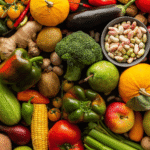
Every third bite of food you eat exists because a bee pollinated the plant it came from.
That single fact makes the current state of bee populations one of the most urgent environmental issues of our time. In 2025, beekeepers across the US lost upward of 60% of their hives, well above the 40 to 50% losses that have become the new normal over the past two decades. Wild bee populations have declined 43% in areas with high pesticide use, according to a 2024 study published in Nature Sustainability covering 178,589 observations across 1,081 bee species.
The primary driver, confirmed by hundreds of studies, is neonicotinoid pesticides — the most widely used insecticide class in the United States.
The good news is that your home garden can be part of the solution. A bee-friendly organic garden removes one more source of chemical exposure, adds a clean food and habitat corridor, and directly supports local pollinator populations. Here is how to build one from the ground up.
Why Organic Gardening Is Foundational for Bee Health
You cannot build a bee-friendly garden while using conventional pesticides. The two goals are fundamentally incompatible.
Neonicotinoids are systemic, meaning the plant absorbs them into every cell, including its nectar and pollen. Bees that visit treated flowers ingest these compounds directly. A UC Davis study found that bees exposed to neonicotinoids across two consecutive years showed a 72% lower population growth rate compared to unexposed bees. Even a single exposure reduces reproduction: bees exposed as larvae produced over 30% fewer offspring than control bees that were never exposed at all.
Organic gardening eliminates this risk at the source. By committing to a pesticide-free, organic growing system, you create a space where bees can forage safely, nest undisturbed, and build healthy colonies over multiple generations.
Our guide on Is Organic Farming Sustainable? explores how organic growing practices support biodiversity at scale, and the Role of Bees in Organic Agriculture explains precisely why protecting pollinators is inseparable from organic food production.
Organic Garden vs. Conventional Garden: What Bees Actually Experience
| Feature | Organic Garden | Conventional Garden |
|---|---|---|
| Synthetic pesticide use | Prohibited | Neonicotinoids, pyrethroids routinely applied |
| Pesticide in nectar and pollen | None | Systemic pesticides absorbed into flowers |
| Soil microbial health | Rich, diverse, supports plant immunity | Depleted by synthetic fertilizer inputs over time |
| Pest management | Companion planting, beneficial insects, organic sprays | Broad-spectrum chemical sprays that kill beneficial insects too |
| Weed control | Hand weeding, mulch, ground covers | Herbicides that eliminate bee forage plants |
| Nesting habitat | Undisturbed soil, organic mulch, wood piles preserved | Heavy tillage and rubber mulch disrupt ground-nesting bees |
| Water safety | Clean, chemical-free water sources | Potential pesticide runoff into bee water sources |
| Plant diversity | Native plants, companion planting, staggered bloom encouraged | Often monoculture with limited bloom diversity |
| Flower availability | Herbs, vegetables allowed to flower and go to seed | Deadheaded uniformly; bolting plants removed |
| Risk to bee generations | Minimal | Carryover effects reduce reproduction across multiple generations |
| Effect on beneficial insects | Supports ladybugs, lacewings, parasitic wasps | Often eliminates natural predators alongside target pests |
| Overall bee safety | High | Low to moderate depending on products used |
Step 1: Start With Organic Soil
Healthy bees need healthy plants, and healthy plants start with healthy soil.
Begin with organic compost-enriched soil that drains well and supports diverse microbial life. Organic matter feeds beneficial soil microorganisms that make nutrients available to plant roots. This produces stronger, more resilient plants that require fewer interventions to stay healthy.
Avoid synthetic nitrogen fertilizers. They accelerate plant growth artificially and suppress the natural stress responses that produce higher concentrations of phytochemicals, antioxidants, and aromatic compounds — the very qualities that attract bees to flowers.
Source organic or untreated seeds and plant starts. Begin with untreated seeds or organic plant starts, and plant them in organic soil. Look for suppliers who have signed the Safe Seed Pledge, which commits to never selling genetically engineered seeds. Organic starts from a reputable nursery eliminate the risk of neonicotinoid seed treatments, which are commonly applied to conventional nursery plants before they reach retail shelves.
Step 2: Choose Plants That Bees Actually Love
Not all plants attract bees equally. Research from RMIT University found that bees respond to ultraviolet light and can see a range of blues, violets, yellows, and greens but not red. Many flowers have ultraviolet nectar guides that act as signposts directing bees to nectar sources.
Best colors for bee attraction: Purple, blue, violet, yellow, and white. Include fragrant and strongly patterned blooms alongside these, as bees are also drawn to scent and visual pattern density.
Top bee-friendly plants to grow organically:
Perennials (come back each year): Lavender, purple coneflower (Echinacea), bee balm, catmint, goldenrod, aster, wild bergamot, and salvia. These establish deep root systems and bloom reliably with minimal maintenance.
Annuals (replant each season): Borage, phacelia, sunflowers, zinnias, cosmos, and nasturtiums. Borage and phacelia in particular are outstanding bee magnets and extremely easy to grow from seed.
Native plants: Native species are the single most impactful choice for supporting local bees. They evolved alongside native bee species, providing the exact nectar chemistry and flower shapes those bees are adapted to access. Native plants also require less water and fewer inputs than non-native varieties. The Lady Bird Johnson Wildflower Center provides a free database of native plants for every US state.
Herbs: Allow your culinary herbs to flower and go to seed. Bees love the flowers of thyme, rosemary, oregano, chives, mint, dill, fennel, and basil. Herb flowers produce abundant nectar in small, accessible florets that suit a wide range of bee species.
Vegetables: Tomatoes, squash, cucumbers, beans, and peas all benefit from bee pollination and produce flowers that attract foragers. Plant more than you need and allow some to bolt and flower at the end of the season.
Step 3: Stagger Bloom Times Year-Round
A single spectacular summer display does not support bees through the full season.
Plan your garden to provide nectar and pollen sources from early spring through late fall. Early spring bloomers like crocus, hellebore, and willowherb provide critical food when bees first emerge from winter dormancy. Mid-season perennials cover June through August. Late-season plants like goldenrod, aster, and sedum sustain bees as they prepare for winter.
Plant nectar and pollen-providing plants that bloom throughout the season, especially in early spring and late autumn, as bees need these resources most at seasonal transitions.
Keeping long-flowering species in your garden — rather than short-lived annuals only — encourages bees to return repeatedly and spend extended time foraging. Each return visit increases the likelihood they treat your garden as a reliable home range.
Step 4: Eliminate All Synthetic Pesticides
This is the non-negotiable foundation of a bee-friendly organic garden.
Pesticides labeled “organic” are not automatically safe for bees. The Xerces Society and Portland Nursery both caution that even approved organic pesticides can harm pollinators if applied incorrectly. Never apply any insecticide when bees are actively foraging. The safest windows are within two hours of sunrise or sunset, when most bee activity has paused.
Specific organic options that pose lower risk when used correctly include insecticidal soap, horticultural oils, and kaolin clay. Avoid combination products marketed for simultaneous disease, insect, and weed control — these broad-spectrum products are highly toxic to beneficial insects.
Natural pest management alternatives to pesticides:
Companion planting works. Marigolds deter aphids. Basil repels mosquitoes and flies. Nasturtiums act as trap crops that draw aphids away from vegetables. Garlic spray deters soft-bodied insects.
Beneficial insects do most of the work for free. Ladybug larvae devour aphids. Parasitic wasps control caterpillar and fly populations. Lacewings consume thrips, mites, and whiteflies. Provide them with the flowers and habitat they need to establish and they will manage pest populations naturally.
Physical removal works better than most gardeners expect. Hand-picking, dousing plants with a strong water jet, and using sticky traps for monitoring all address pest problems without chemical inputs.
Step 5: Provide Nesting Habitat
Most of the 4,000-plus native bee species in the US are solitary ground nesters. They do not live in hives. They need specific habitat conditions to complete their life cycle.
Ground-nesting habitat: Leave areas of bare or lightly mulched soil undisturbed. Heavy mulch blocks access for ground-nesting bees. Use organic and untreated mulches rather than colored or rubber mulch, and leave patches of exposed soil at the base of plants or along garden edges.
Cavity-nesting habitat: Leave small piles of logs, twigs, and branches in a sheltered corner. A stack of hollow stems from last season’s perennials provides perfect nesting cavities for mason bees and leafcutter bees. Bee hotels work for cavity nesters, but location matters — position them facing south or southeast in a spot that gets morning sun and is protected from strong wind and rain.
Do not be too tidy. Leaving some areas of your garden a bit more wild or unmanaged, especially any beds with native plants, dramatically increases habitat value. Leaf litter, fallen wood, and undisturbed soil patches are not signs of neglect — they are bee infrastructure.
Step 6: Provide Clean Water
Bees need water for hydration and for cooling their hives on hot days. A simple shallow dish or tray filled with water and placed in a sunny spot provides everything they need.
Add rocks, pebbles, or floating corks to give bees landing platforms. Bees are poor swimmers and will drown in deep open water. The landing surfaces are essential.
Change the water every two to three days to prevent mosquito larvae from establishing. Position the water source near your flowers, within easy foraging range, so bees do not have to leave your garden to hydrate.
Step 7: Build Your Garden Bed by Bed
You do not need to transform your entire yard overnight.
Even a single window box of organic lavender, borage, and phacelia provides a meaningful forage source. A bee-friendly garden can be any size. Whether you are planning to fill your yard with flowers or plant a few seeds in a window box, you will still help your local pollinator population.
Start with one dedicated organic bed this season. Add a water source. Let your herbs flower. Stop using herbicides on your lawn and let a patch go to clover and dandelions — both are outstanding bee food. Over one or two seasons, a patchwork of these small choices creates a genuinely meaningful habitat corridor.
For a complete framework on growing food and building soil health through organic principles, our Organic Garden Plant Food guide covers the nutrition side of organic growing in depth. And our broader piece on What Pesticides Are Used in Organic Farming? helps you understand exactly which inputs are safe and which to avoid.
Quick Reference: Bee-Friendly Organic Garden Checklist
Use this checklist to build and maintain your garden each season.
Soil and seeds: Start with organic compost-enriched soil, use untreated or certified organic seeds, and avoid synthetic fertilizers.
Plants: Include native plants, choose blue, purple, yellow, and white flowering varieties, plant perennials and annuals for mixed bloom duration, and allow herbs and vegetables to flower.
Bloom season: Stagger plantings to ensure nectar and pollen sources from early spring through late fall.
Pest control: Use zero synthetic pesticides, apply organic options only before sunrise or after sunset if needed, rely on companion planting and beneficial insects as your primary defense.
Habitat: Leave areas of bare soil undisturbed, preserve log and stem piles, install or build bee hotels in sunny sheltered locations.
Water: Provide a shallow dish with rocks, refresh water every two to three days, position near flowering plants.
FAQs: Bee-Friendly Organic Garden
Q1: Why is an organic garden better for bees than a conventional one? Conventional gardens commonly use neonicotinoid pesticides, which are systemic — absorbed into every part of the plant including its nectar and pollen. Bees that forage on treated flowers ingest these compounds directly. Research shows bees exposed to neonicotinoids across two years show a 72% lower population growth rate. Organic gardens eliminate synthetic pesticides entirely, making every flower a safe food source.
Q2: Which plants are best for attracting bees to an organic garden? Bees are most attracted to blue, purple, violet, yellow, and white flowers. Top performers include lavender, borage, phacelia, purple coneflower, bee balm, goldenrod, catmint, and native wildflowers specific to your region. Allowing culinary herbs like thyme, rosemary, chives, and basil to flower provides excellent nectar in small, easily accessible blooms. Native plants are the single most impactful choice for supporting local bee species.
Q3: How do I control pests organically without harming bees? Use companion planting — marigolds deter aphids, nasturtiums act as trap crops, and basil repels flies and mosquitoes. Encourage beneficial insects like ladybugs, lacewings, and parasitic wasps by providing the flowers they need to establish. For direct treatments, insecticidal soap and horticultural oil applied within two hours of sunrise or sunset pose lower risk to bees. Never spray any pesticide, even organic ones, when bees are actively foraging.
Q4: How do I create nesting habitat for bees in my garden? Most US native bees are ground nesters, not hive bees. Leave patches of bare or lightly mulched soil undisturbed so they can burrow. Pile logs, hollow stems, and twigs in a sheltered corner for cavity-nesting species. Bee hotels work well for mason and leafcutter bees — install them facing south or southeast in a sunny, wind-protected spot. Avoid heavy rubber or colored mulch, which blocks soil access entirely.
Q5: Do I need a large garden to help bees? No. Even a window box of lavender, borage, and phacelia provides a meaningful forage source for local bees. Container gardens on balconies, small raised beds, and a single herb planter all contribute to pollinator health. What matters most is using organic soil and seeds, avoiding pesticides, and choosing bee-attractive flowers. Scale up gradually as you gain confidence.
Q6: Are organic pesticides completely safe for bees? Not automatically. Even USDA-approved organic pesticides can harm bees if applied at the wrong time or in the wrong conditions. The Xerces Society recommends always checking the “Environmental Hazards” section of any garden product label. Lower-risk organic options include insecticidal soap, horticultural oil, and kaolin clay. Never apply any spray when bees are present, always time applications to early morning or late evening, and avoid spraying plants while they are in bloom.
Q7: What water source should I provide for bees? Fill a shallow dish or tray with clean water and add rocks, pebbles, or corks as landing platforms. Bees cannot swim and will drown in open water without these landing surfaces. Place the dish in a sunny spot near your flowering plants so bees can hydrate without leaving your garden. Refresh the water every two to three days to prevent mosquito larvae from developing.
Q8: What is the best time of year to start a bee-friendly organic garden? Spring is the ideal time to plant, but preparation can begin in fall by enriching soil with compost and planning your plant selection. Aim to have early spring bloomers like crocus and hellebore established before summer perennials come in, so bees have food from first emergence. Plant late-season species like goldenrod and aster alongside summer bloomers to ensure continuous forage through to late fall. A garden with staggered bloom times is more valuable than one that peaks in a single month.
The Bigger Picture
Your organic garden does not exist in isolation.
When neighbors observe more bees in your garden and healthier, more productive vegetable crops, the conversation naturally spreads. The Pollinator Partnership’s Bee Friendly Gardening program connects individual garden members into a larger network of pollinator corridors that collectively support regional bee populations at meaningful scale.
The science is clear. Reducing pesticide exposure and restoring habitat are the two highest-impact interventions available to reverse bee population decline. You can do both from your own backyard, starting this season.
One organic garden becomes one safe foraging corridor. One corridor connects to another. Bees navigate landscapes, not property lines.
Want to build a more complete organic lifestyle at home? Read our guides on Is Organic Farming Sustainable?, The Role of Bees in Organic Agriculture, Organic Plant Food for Indoor Plants, and What Pesticides Are Used in Organic Farming? to go deeper on organic growing principles.