

Approximately 11% of the US population eats pizza on any given day. A significant portion of that comes from the freezer aisle. Frozen pizza is fast, inexpensive, and genuinely convenient. It is also, in most commercial forms, one of the most sodium-dense, heavily processed foods available at a standard supermarket.
The average frozen pizza serving contains 700 to 900 mg of sodium, roughly 30 to 40% of the daily recommended limit in a single portion. A 2024 BMJ review examining 45 studies involving nearly 10 million participants found links between ultra-processed foods and 32 health concerns, including cardiometabolic diseases, mental health issues, and higher mortality rates. Most commercial frozen pizzas qualify as ultra-processed under standard definitions.
That does not mean frozen pizza is off the table. It means the choice between brands, crust types, and topping ingredients has a measurable impact on what you are actually consuming. This guide breaks down the real numbers, explains what labels and ingredients to check, covers the best healthier frozen options available, and walks through how to make a genuinely nutritious pizza at home.
What Is Actually in Most Frozen Pizzas?
Reading a standard frozen pizza label reveals a ingredient list that runs 40 to 60 items long. The crust alone in a typical mass-market frozen pizza includes wheat flour, soybean oil, sugar, dough conditioners (ascorbic acid, enzymes), sodium acid pyrophosphate, and soy lecithin. The sauce frequently contains dextrose (a form of added sugar), artificial flavors, and citric acid as a preservative. Pepperoni typically includes sodium nitrite, BHA, BHT, and mechanically separated chicken.
None of these are immediately dangerous in isolated amounts. The concern is cumulative and habitual. Regular consumption of products with this ingredient profile, across all meals, adds up to a significant synthetic additive and sodium load that strains cardiovascular function and metabolic health over time.
The nutrition profile breakdown for a typical conventional frozen pizza:
| Nutrient | Typical Frozen Pizza (per serving) | Health Benchmark |
|---|---|---|
| Calories | 280 to 440 kcal | 500 to 700 kcal (meal target) |
| Sodium | 700 to 1,060 mg | Under 600 mg per meal |
| Saturated fat | 7 to 12g | Under 13g per day total |
| Added sugar | 3 to 21g | Under 25g per day total (AHA) |
| Fiber | 1 to 3g | 8 to 10g per meal ideal |
| Protein | 13 to 22g | 20 to 30g per meal ideal |
| Trans fat | 0 to 1g | Zero recommended |
The most extreme cases, like certain stuffed-crust meat lover varieties, contain over 1,060 mg of sodium in one serving of one-fifth of a pizza. Eating two slices of those products, which most adults would consider a light meal, can push sodium intake to over 70% of the daily recommended limit in a single sitting.
The Sodium Problem
Sodium is the defining issue with most frozen pizza. Commercial frozen pizza uses sodium at multiple layers simultaneously: salt in the crust for flavor and structure, sodium nitrite in cured meat toppings for preservation and color, sodium in the cheese (a naturally salty ingredient), and sodium in the sauce as both preservative and flavor enhancer.
The American Heart Association recommends no more than 2,300 mg of sodium per day, with an ideal target of 1,500 mg for people with hypertension or kidney disease. A single frozen pizza serving routinely delivers one-third to nearly one-half of that daily limit.
For people managing blood pressure or cardiovascular risk, our guide on Organic Food and Heart Health covers the full dietary framework for cardiovascular protection, including how sodium-aware food choices interact with the broader heart-health diet.
The Ultra-Processing Problem
Beyond sodium, the ultra-processing dimension matters independently. Highly processed frozen foods are formulated with emulsifiers, artificial colorings, stabilizers, and preservatives that go beyond any traditional food preparation.
A growing body of research ties habitual ultra-processed food consumption to increased inflammation, gut microbiome disruption, and elevated cardiovascular risk, separate from the macronutrient composition of the food itself. This is why even “light” versions of processed frozen pizza, which reduce calories by reducing fat, do not fully address the health concern.
The relevant question is not just the calorie count or sodium per slice. It is whether the product was made primarily from real food ingredients or from a formulated combination of fractionated food components and additives.
Our guide on Organic Frozen Foods covers how frozen food quality varies across categories and what to look for on organic freezer aisle labels.
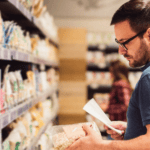
What to Look for on a Frozen Pizza Label
When choosing a frozen pizza, check these six label elements in order:
| Label Element | Target | Avoid |
|---|---|---|
| Sodium per serving | Under 600 mg | Over 800 mg |
| Saturated fat | Under 7g per serving | Over 10g per serving |
| Added sugar | Under 4g | Over 8g (check sauce especially) |
| Fiber | At least 3g | Under 2g |
| Ingredient list length | Under 20 ingredients | 40+ ingredients |
| First five ingredients | Real food: flour, tomatoes, cheese, olive oil, water | Soybean oil, dextrose, modified starch, artificial flavors as top ingredients |
Also check whether the serving size is realistic. Many frozen pizzas list a serving as one-quarter or one-fifth of a pizza, a portion that most people would not consider a meal. If you plan to eat half a pizza, multiply all the numbers accordingly before making a comparison judgment.
Healthier Frozen Pizza Options: What the Market Offers in 2025
Several brands have reformulated their products with significantly cleaner ingredient profiles and improved nutrition. These are among the most recommended by registered dietitians in 2025 and 2026 reviews:
Banza Margherita (Chickpea Crust)
Banza replaced the traditional wheat crust with a chickpea flour base, which delivers 16 grams of protein and 10 grams of fiber per half-pizza serving. It is certified gluten-free, vegetarian, and contains zero added sugar. Sodium per half-pizza is 730 mg, on the higher end but partially offset by the strong protein and fiber content. Ingredients are straightforward: chickpea flour, real mozzarella, San Marzano tomato sauce, basil, and oregano. For more on chickpea-based nutrition, our Organic Chickpeas guide covers the full nutritional profile.
Amy’s Kitchen Organic Thin Crust Margherita
Amy’s Kitchen uses certified organic ingredients throughout. Their thin crust margherita is a standout for organic frozen pizza: organic flour, organic tomatoes, organic mozzarella, and organic olive oil. Per one-third pizza serving, it delivers around 250 to 280 calories and less than 490 mg of sodium depending on variety. No artificial preservatives, no artificial flavors. It is one of the few widely available frozen pizzas that qualifies as genuinely organic across all primary ingredients.
Caulipower Cauliflower Crust Pizza
Cauliflower-based crusts reduce refined carbohydrate content and add vegetable nutrition. Caulipower’s versions run 240 to 290 calories per serving with 3 to 5 grams of fiber. The ingredient list is significantly cleaner than conventional options. Sodium runs approximately 490 to 570 mg per serving.
Vital Pursuit Chicken Mozzarella
For high-protein needs, this option delivers 33 grams of protein and 17 grams of fiber per pizza at only 370 calories total. Sodium is 690 mg for the whole pizza, making it one of the better sodium-to-protein ratios in the frozen aisle.
Organic Frozen Pizza: The Certification Advantage
Certified organic frozen pizza, like Amy’s Kitchen and a few other specialty brands, provides guarantees that conventional frozen pizza cannot. Organic certification ensures:
- Wheat flour and vegetable toppings grown without synthetic pesticides and herbicides
- Organic tomato sauce without synthetic additives or artificial preservatives
- No artificial colors, flavors, or synthetic preservatives permitted
- If meat is present, raised without routine antibiotics or synthetic growth hormones
The processing standards also matter. USDA organic certification restricts which processing aids and additives are permitted in certified organic products, which naturally shortens ingredient lists and eliminates the most problematic synthetic additives.
Our guides on Organic Certifications Explained and How to Spot Fake Organic Products cover how to verify that an organic label is genuine and what it actually guarantees for processed frozen foods.
The Best Alternative: Homemade Pizza with Organic Ingredients
No frozen pizza, however reformulated, matches what you can produce at home with quality organic ingredients in about 30 to 40 minutes of active time.
A homemade pizza built from organic flour, organic crushed tomatoes, fresh mozzarella or organic dairy cheese, and vegetable toppings of your choice eliminates the sodium stacking problem entirely. You control every input.
Basic homemade organic pizza framework:
Crust options:
- Organic whole wheat pizza dough: higher fiber, earthy flavor
- Organic spelt flour dough: lighter, nuttier, easier to digest
- Cauliflower crust (cauliflower, egg, organic cheese): grain-free, lower carb
- Chickpea flour base: highest protein and fiber, gluten-free
Sauce: Start with organic crushed tomatoes, a drizzle of organic extra-virgin olive oil, fresh garlic, dried oregano, and black pepper. A quarter-teaspoon of salt total for the entire pizza keeps sodium dramatically lower than any commercial equivalent. Our guide on Organic Pasta Sauce covers the best store-bought organic tomato sauces that also work well as pizza sauce.
Cheese: Use fresh mozzarella rather than shredded low-moisture mozzarella for better flavor with less sodium. Goat cheese, ricotta, or a combination of organic cheeses all work well. Less cheese applied more carefully delivers better flavor coverage than excess low-quality shredded product.
Toppings to maximize nutrition:
- Organic tomato slices (additional lycopene from Organic Tomatoes)
- Organic baby spinach or kale added after baking to preserve nutrients
- Roasted organic bell peppers (highest vitamin C, low-sodium flavor boost; see our Natural Vitamin C Food Sources guide)
- Organic mushrooms (umami depth without salt; our Mushrooms guide covers variety and nutrition)
- Kalamata olives for healthy fats and flavor (our Kalamata Olives guide covers nutritional profile and culinary use)
- Organic chicken or plant-based protein for a complete meal
Time-saving tip: Make a double batch of dough and freeze half in portioned balls. Homemade frozen pizza dough thaws in the refrigerator overnight and produces restaurant-quality crust with about 15 minutes of prep the next day.
Frozen Pizza vs. Homemade: Nutrition Comparison
| Factor | Typical Conventional Frozen | Better Frozen Brand (Organic/Clean) | Homemade Organic |
|---|---|---|---|
| Sodium per serving | 700 to 1,060 mg | 490 to 730 mg | 150 to 300 mg (you control) |
| Ingredient count | 40 to 60 items | 15 to 25 items | 8 to 12 items |
| Added sugar | 3 to 21g | 0 to 4g | 0 to 1g |
| Fiber | 1 to 3g | 3 to 10g | 4 to 8g (whole grain crust) |
| Organic ingredients | None | Most or all | All |
| Preservatives | Multiple synthetic | None (organic certified) | None |
| Cost per serving | $1.50 to $3.00 | $3.00 to $5.50 | $1.80 to $2.50 |
| Prep time | 15 to 20 minutes | 15 to 20 minutes | 30 to 40 minutes active |
The Bottom Line
Most commercial frozen pizza is not a health food. The sodium density, ultra-processed ingredient lists, added sugars, and synthetic additives add up to a product that warrants honest label reading rather than habitual convenience.
The better frozen options exist. Banza’s chickpea crust, Amy’s organic certified varieties, and Caulipower all represent genuinely different formulations with shorter ingredient lists and meaningfully lower sodium and additive loads.
Homemade organic pizza remains the clear winner on every nutritional metric, at roughly comparable cost per serving, and with less total time investment than most people assume.
When frozen pizza is the practical choice, choose organic certification or clean-ingredient alternatives, keep serving sizes honest, and pair with a side salad of organic greens to add the fiber and micronutrients the pizza itself lacks.
For building a broader organic meal approach that balances convenience with nutritional quality, our 21-Day Organic Meal Plan and How to Shop Organic on a Budget guides cover the full practical framework.
FAQs
Q1: Is frozen pizza unhealthy?
Most commercial frozen pizza qualifies as ultra-processed food. A single serving typically contains 700 to 1,060 mg of sodium (30 to 46% of the daily limit), 7 to 12 grams of saturated fat, added sugars in the sauce, and ingredient lists of 40 to 60 items including synthetic preservatives. A 2024 BMJ review linking ultra-processed foods to 32 health concerns covered the category frozen pizza falls into. Eaten occasionally, it is not a crisis. Eaten regularly as a staple, the cumulative health impact is real.
Q2: What is the healthiest frozen pizza to buy?
Dietitian-recommended options in 2025 and 2026 include: Banza Margherita (chickpea crust, 16g protein, 10g fiber, zero added sugar), Amy’s Kitchen Organic Thin Crust (certified organic ingredients, under 490 mg sodium per serving), Caulipower Cauliflower Crust (clean ingredient list, under 570 mg sodium), and Vital Pursuit Chicken Mozzarella (33g protein per pizza, 690 mg sodium total). Look for under 600 mg sodium per serving, under 20 ingredients, and no artificial preservatives.
Q3: Is organic frozen pizza better than regular?
Yes, meaningfully. Certified organic frozen pizza guarantees organic ingredients grown without synthetic pesticides, no artificial preservatives or synthetic additives, and no artificial colors or flavors. USDA organic processing standards restrict which additives are permitted, which naturally produces shorter, cleaner ingredient lists. Amy’s Kitchen is the most widely available certified organic frozen pizza brand.
Q4: How much sodium is in a typical frozen pizza?
Most conventional frozen pizzas contain 700 to 900 mg of sodium per serving, with some brands reaching over 1,060 mg per serving for stuffed-crust meat varieties. The American Heart Association recommends no more than 2,300 mg per day for healthy adults and 1,500 mg for those with hypertension. A single serving of many conventional frozen pizzas delivers 30 to 46% of the daily sodium limit.
Q5: Can I make healthy pizza at home cheaper than buying frozen?
Yes. Homemade organic pizza costs approximately $1.80 to $2.50 per serving, comparable to or cheaper than better-quality clean frozen brands. You also control every input: sodium drops to 150 to 300 mg per serving when you make your own sauce without heavy salting, and ingredient counts drop to 8 to 12 real food items. A batch of organic pizza dough can be portioned and frozen, reducing future prep time to about 15 minutes.
Q6: What frozen pizza crust is healthiest?
Chickpea flour crust (Banza) offers the highest fiber and protein at 10g and 16g per serving respectively. Cauliflower crust reduces refined carbohydrate content and adds vegetable nutrition. Whole grain wheat crust adds fiber over refined white crusts. For home baking, organic whole wheat, spelt flour, or chickpea flour all produce significantly better nutritional outcomes than commercial refined crusts.
Q7: What toppings make frozen pizza healthier?
Adding organic vegetables on top of any frozen pizza improves the nutritional profile at minimal cost. Baby spinach or kale added after baking preserves nutrients. Roasted bell peppers add vitamin C and antioxidants. Organic mushrooms add potassium and B vitamins with no sodium. If you choose a meat-topped pizza, look for uncured varieties with no added nitrites. Avoid extra cheese toppings which stack sodium and saturated fat significantly.
Q8: Does frozen pizza have more sodium than fresh pizza?
Generally yes. Fresh pizza made from scratch has dramatically less sodium because the maker controls the salt in the dough, sauce, and topping selection. A homemade organic pizza with basic tomatoes, mozzarella, and vegetable toppings runs 150 to 300 mg of sodium per serving. Commercial frozen pizza stacks sodium at every layer: crust, sauce, cheese, and preserved meat toppings all contribute independently.



[…] Healthy frozen meal options available today extend beyond basic vegetables. Complete meals provide balanced macronutrients without the nutrient loss of fresh ingredients that sat in transit. […]