

Coconut sugar has become one of the most popular alternative sweeteners on the market, positioned as a natural, lower-glycemic replacement for white sugar. The wellness industry has embraced it enthusiastically. The science tells a more nuanced story.
Coconut sugar does have a lower glycemic index than table sugar, retains trace minerals that refining removes, and contains a small amount of inulin fiber that moderately slows glucose absorption. It is also still sugar. Per teaspoon, it delivers the same 15 calories and 4 grams of carbohydrate as white sugar, and it raises blood glucose in the same general direction.
This guide covers what coconut sugar is, what the nutrition data shows, how it compares to other sweeteners, when it makes sense to use, and what to look for when buying organic.
What Is Coconut Sugar?
Coconut sugar comes from the sap of the coconut palm flower bud, not the coconut fruit itself. It is sometimes called coconut palm sugar or coconut blossom sugar.
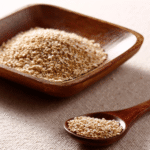
The production process is simple and minimally processed. Farmers cut the flower bud and collect the liquid sap. The sap is heated at low temperature until water evaporates, leaving coarse brown granules. No bleaching, chemical refining, or synthetic additives are involved in traditional production.
The result has a warm, caramel-like flavor and performs well as a 1:1 replacement for white or brown sugar in baking and cooking. It is often confused with palm sugar, which comes from a different palm species. Coconut sugar specifically comes from Cocos nucifera.
For more on how minimally processed sweeteners compare to refined options in the context of organic eating, our guide on Is Organic Cane Sugar Healthy? covers a useful parallel comparison.
Coconut Sugar Nutrition Facts
Per 1 teaspoon (4g) serving, based on USDA FoodData Central 2024:
| Nutrient | Coconut Sugar | White Sugar |
|---|---|---|
| Calories | 15 kcal | 16 kcal |
| Carbohydrates | 4g | 4.2g |
| Total sugars | 3.9g | 4.2g |
| Fiber | Trace (inulin) | 0g |
| Protein | 0g | 0g |
| Fat | 0g | 0g |
| Potassium | ~10mg | 0mg |
| Iron | ~0.07mg | 0mg |
| Zinc | ~0.02mg | 0mg |
| Calcium | ~1.6mg | 0mg |
| GI (glycemic index) | 54 | 60 to 65 |
The macronutrient picture is essentially identical between coconut sugar and white sugar. The trace minerals are real but genuinely trace. You would need around five cups of coconut sugar to approach meaningful mineral intake from those nutrients alone, an amount that would cause harm from sugar overload long before any mineral benefit was realized. The honest nutritional case rests on two more modest advantages: slightly lower GI and minimal processing.
Glycemic Index: What the Research Actually Shows
The GI of coconut sugar is a contested data point. The most widely circulated figure of GI 35 comes from a single study by the Philippine Food and Nutrition Research Institute using just 10 subjects. The official University of Sydney glycemic index database, which applies more rigorous methodology, places coconut sugar at GI 54. White sugar sits at GI 60 to 65.
A 2022 study published in a peer-reviewed journal compared the blood glucose responses of coconut sugar and cane sugar in 43 participants with type 2 diabetes. Both raised blood sugar. Coconut sugar produced a modestly lower postprandial glucose response, but the difference was not large enough to recommend it as a diabetes-safe food.
The reason for even this modest difference is inulin, a prebiotic fiber that naturally occurs in coconut palm sap. Inulin slows glucose absorption in the gut. However, the amount of inulin in a typical serving of coconut sugar is small, so the practical blood sugar effect is limited.
The honest summary: Coconut sugar has a real but modest GI advantage. It is not a low-GI food, and it is not appropriate as a diabetes-safe free substitute for white sugar. The difference is meaningful when choosing between the two at equivalent amounts but does not make coconut sugar a health food. Our guide on Organic Food and Heart Health covers the metabolic picture in depth.
Coconut Sugar vs. Other Sweeteners: Full Comparison
| Sweetener | GI | Calories per tsp | Notable Features | Best For |
|---|---|---|---|---|
| Coconut sugar | 54 | 15 | Trace minerals, inulin fiber, minimal processing | Baking, cooking, coffee |
| White sugar | 60 to 65 | 16 | No nutrients retained | Standard baking |
| Brown sugar | 64 | 17 | Molasses trace minerals | Baking |
| Organic honey | 58 | 21 | Antimicrobial, antioxidants, raw enzymes | Dressings, teas, sauces |
| Maple syrup | 54 | 17 | Manganese, zinc, polyphenols | Pancakes, baking |
| Agave nectar | 15 to 30 | 21 | Very high fructose (85%), low GI misleading | Minimal |
| Medjool dates | 42 | 66 per date | Fiber, potassium, whole food | Smoothies, raw desserts |
| Stevia | 0 | 0 | Zero calories, plant-derived | Low-calorie baking |
| Molasses (blackstrap) | 55 | 14 | High iron, calcium, potassium | Specific baking |
A note on agave: The very low GI of agave makes it appear favorable, but most agave syrup is 85% fructose. High fructose consumption is associated with non-alcoholic fatty liver disease, elevated triglycerides, and impaired metabolic function at typical consumer volumes. A low GI does not make agave a healthy choice.
The practical winner for most baking: Coconut sugar or maple syrup offer the best balance of minimal processing, modest GI advantage, and workable flavor profile for everyday cooking. Our guide on Organic Honey covers the health profile of raw honey in detail as another alternative.
Is Coconut Sugar Healthy? The Balanced Answer
This is the question most people arrive with, and it deserves a direct answer without marketing spin.
Where coconut sugar has a genuine advantage:
- It is minimally processed, retaining trace minerals that white sugar’s refining removes
- It has a slightly lower GI (54 vs 60 to 65) that may produce a modestly smaller blood glucose spike at equivalent amounts
- It contains small amounts of inulin that may support gut health
- It has a more complex, caramel-like flavor, meaning many bakers find they use slightly less to achieve the same perceived sweetness
- It behaves well as a 1:1 substitute in baking without texture or structural changes
Where the marketing overstates the case:
- The calorie and carbohydrate content per serving is virtually identical to white sugar
- The mineral content in a realistic serving is nutritionally insignificant
- The GI difference (54 vs 60) is real but does not make coconut sugar a low-GI food or appropriate for blood sugar conditions
- It is still added sugar that contributes to the same downstream risks at high intake: elevated triglycerides, reduced HDL cholesterol, and excess calories
The honest position: coconut sugar is the better choice if you are going to use a granulated sugar sweetener in cooking and baking. It is not a health food that can be consumed freely. The most nutritionally sound approach is using less of any added sweetener, with coconut sugar as a preferred option when sweetness is genuinely needed.
For context on how minimally processed foods fit into an organic dietary framework, our guides on Health Benefits of Eating Organic and Myths About Organic Food provide useful framing.
How to Use Coconut Sugar in Cooking and Baking
Coconut sugar substitutes for white or brown sugar in virtually all standard recipes at a 1:1 ratio by volume or weight. A few practical notes on behavior:
Color: Coconut sugar is naturally brown, which tints batters, sauces, and glazes darker than white sugar would. This is a visual change only and does not affect flavor negatively. It actually improves the appearance of baked goods like cookies and muffins, where golden-brown color is desirable.
Moisture: Coconut sugar is slightly less hygroscopic (moisture-attracting) than brown sugar, which means baked goods may be slightly drier or firmer. Add 1 tablespoon of extra fat (butter, oil, or yogurt) per cup of coconut sugar in recipes where a soft, moist crumb matters.
Dissolving: Coconut sugar granules are coarser than white sugar and dissolve more slowly in cold liquids. Stir thoroughly, or dissolve in a small amount of warm liquid first. In hot beverages it dissolves cleanly within 30 seconds.
Caramelization: Coconut sugar caramelizes at a similar temperature to white sugar and works well in caramel sauces, toffees, and glazes.
Best uses: Cookies, muffins, quick breads, pancake batters, granola, coffee and tea, marinades, salad dressings, and oatmeal. For gluten-free baking applications, our Gluten-Free Baking with Organic Flour guide covers how coconut sugar performs in rice and almond flour-based recipes.
Buying Organic Coconut Sugar: What to Look For
The organic label on coconut sugar is meaningful for two reasons. First, it ensures the coconut palms were grown without synthetic pesticides and fertilizers. Second, organic certification prohibits the addition of anti-caking agents or bleaching processes that some conventional producers use to standardize appearance.
What to look for on the label:
- USDA organic or equivalent certification (EU Organic, Australia Certified Organic)
- Single ingredient: coconut palm sugar only
- Country of origin clearly stated (Philippines and Indonesia are the primary producing regions)
- No added anti-caking agents (silicon dioxide is common in conventional versions)
- No added flavors or coloring
What to avoid:
- Blended products labeled as coconut sugar that contain conventional cane sugar
- Products with no country of origin or certification details
- Unusually low prices that suggest dilution with cheaper sugar
For a framework on spotting misleading organic claims on any packaged food label, our guide on How to Spot Fake Organic Products covers what certification language actually means vs marketing terms.
Sustainability and Environmental Profile
Coconut palms produce sap for coconut sugar alongside coconuts, making them a dual-yield crop with an efficient land-use profile. Trees require no irrigation beyond natural rainfall and do not need to be felled for harvest. A single tree can produce sap for 20 or more years.
As Western market demand has grown significantly since 2015, questions have emerged about whether commercial-scale production maintains the sustainability of traditional small-farm methods. Buying certified organic from transparent single-origin producers supports the model the environmental profile is based on. Our Organic Carbon Footprint guide covers the broader environmental case.
FAQs
Q1: Is coconut sugar better than white sugar? Yes, in specific ways. Coconut sugar is minimally processed, retains trace minerals, has a slightly lower glycemic index (54 vs 60 to 65), and contains a small amount of inulin fiber. However, it has essentially the same calories (15 per tsp) and carbohydrates (4g per tsp) as white sugar. It is a better choice, not a health food you can use freely.
Q2: What is the glycemic index of coconut sugar? The most reliable figure from the University of Sydney GI database places coconut sugar at GI 54. White sugar sits at 60 to 65. A widely cited figure of GI 35 comes from a small 10-person study and is considered an outlier. At GI 54, coconut sugar is not classified as a low-GI food (which requires 55 or below by standard definition).
Q3: Can diabetics use coconut sugar? Not freely. While coconut sugar produces a modestly lower postprandial glucose response than white sugar, a 2022 clinical trial with 43 type 2 diabetes patients confirmed it still raises blood sugar significantly. People managing diabetes should not treat coconut sugar as a safe alternative and should consult their healthcare provider before regular use.
Q4: Does coconut sugar taste different from white sugar? Yes. Coconut sugar has a warm, rich, caramel-like flavor similar to brown sugar with a slight molasses note. It adds depth of flavor to baked goods, coffee, and sauces. Most bakers find the flavor enhances cookies, muffins, and quick breads compared to the neutral sweetness of white sugar.
Q5: How do I substitute coconut sugar for white sugar in baking? Use a 1:1 ratio by volume or weight. Expect a slightly darker color in finished baked goods. For recipes where a moist, soft crumb matters (such as cakes), add 1 tablespoon of extra fat (butter, oil, or yogurt) per cup of coconut sugar to compensate for slightly lower moisture-attracting properties compared to refined sugar.
Q6: Is organic coconut sugar worth buying over conventional? Yes. Organic certification ensures the coconut palms were grown without synthetic pesticides and prohibits anti-caking agents or bleaching processes used in some conventional production. It also encourages single-ingredient sourcing. Check for USDA organic or equivalent certification, country of origin, and a single-ingredient label with no added anti-caking agents.
Q7: How does coconut sugar compare to honey or maple syrup? All three are minimally processed natural sweeteners with similar GI values (coconut sugar 54, honey 58, maple syrup 54). Honey and maple syrup offer more meaningful micronutrients: raw honey provides antioxidants and enzymes; maple syrup delivers manganese and zinc in practical amounts. Coconut sugar has the advantage of granulated form for baking. The best choice depends on the application.
Q8: Is coconut sugar keto or low-carb friendly? No. Coconut sugar contains approximately 4 grams of carbohydrate per teaspoon, nearly all of it from sucrose and glucose. It is not suitable for ketogenic or very low-carb diets. For low-carb baking, stevia or erythritol are the appropriate alternatives. The modest GI advantage of coconut sugar does not offset its carbohydrate content for keto purposes.
The Bottom Line
Coconut sugar is a genuine upgrade over white sugar: minimally processed, trace mineral retention, modestly lower GI, small inulin content, and excellent baking performance. It is also still sugar, with the same calories and carbohydrates per serving and the same health risks at high intake.
Use it as your default granulated sweetener where sweetness is needed. Apply the same moderation as any added sugar. Choose certified organic from single-origin producers.
For building an organic eating approach that reduces reliance on added sweeteners overall, our 21-Day Organic Meal Plan and How to Shop Organic on a Budget provide the full practical framework.





[…] Organic Food Guides […]
[…] Organic Food Guides […]