

“Superfood” is one of the most overused terms in nutrition, and also one of the most misunderstood. While no single food can magically cure disease or replace a balanced diet, certain foods consistently stand out for their exceptional nutrient density, bioactive compounds, and evidence-backed health benefits.
As a nutrition researcher and organic food specialist, I define superfoods not by hype, but by three criteria:
- High concentration of essential nutrients
- Presence of protective phytochemicals or bioactive compounds
- Strong scientific evidence supporting health benefits
Based on these principles, here are the top 5 superfoods that truly earn the title, and why they matter.
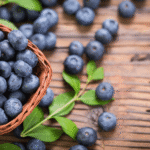
1. Blueberries – The Antioxidant Powerhouse
Blueberries are often called the “king of antioxidants,” and for good reason.
Why Blueberries Are a Superfood
- Extremely high in anthocyanins, compounds that protect cells from oxidative stress
- Rich in vitamin C, vitamin K, and fiber
- Low glycemic load compared to many fruits
Health Benefits
- Supports brain health and memory (linked to slower cognitive decline)
- Helps reduce inflammation and oxidative damage
- Supports heart health by improving blood vessel function
Organic tip: Blueberries frequently appear on the Dirty Dozen list — organic is strongly recommended.
2. Leafy Greens (Spinach, Kale, Swiss Chard)
Leafy greens are nutritional overachievers packed into very few calories.
Why Leafy Greens Are a Superfood
- Loaded with folate, magnesium, iron, calcium, and vitamin K
- Rich in chlorophyll, lutein, and zeaxanthin
- High fiber, extremely low calorie density
Health Benefits
- Supports detoxification and liver health
- Promotes eye health and protects against macular degeneration
- Helps regulate blood sugar and blood pressure
Best choices: Kale, spinach, collard greens, arugula
Organic note: Leafy greens are pesticide-prone — organic matters here.
3. Salmon (Especially Wild or Organic)
Salmon is one of the most nutrient-dense animal foods available.
Why Salmon Is a Superfood
- Exceptional source of omega-3 fatty acids (EPA & DHA)
- High-quality complete protein
- Rich in vitamin D, selenium, and B vitamins
Health Benefits
- Supports heart health and reduces triglycerides
- Plays a key role in brain and nervous system function
- Helps lower inflammation throughout the body
Best choice: Wild-caught or certified organic salmon
Why it matters: Conventional farmed salmon may contain antibiotic residues and lower omega-3 ratios.
4. Chia Seeds – Small but Mighty
Chia seeds may be tiny, but nutritionally they punch far above their weight.
Why Chia Seeds Are a Superfood
- Extremely high in fiber (about 10g per 2 tablespoons)
- Excellent plant-based source of omega-3s
- Contains calcium, magnesium, iron, and antioxidants
Health Benefits
- Improves digestive health and gut regularity
- Helps stabilize blood sugar levels
- Supports satiety and healthy weight management
How to use: Add to smoothies, oatmeal, yogurt, or make chia pudding
Bonus: Naturally gluten-free and vegan-friendly
5. Turmeric – The Golden Anti-Inflammatory
Turmeric has been used medicinally for thousands of years — and modern science backs it up.
Why Turmeric Is a Superfood
- Contains curcumin, a powerful anti-inflammatory compound
- Strong antioxidant and immune-supporting properties
Health Benefits
- Helps reduce chronic inflammation
- Supports joint health and mobility
- Shows promise in supporting brain and metabolic health
Absorption tip: Combine turmeric with black pepper (piperine) and healthy fats to dramatically increase bioavailability.
Are Superfoods Better When Organic?
In many cases, yes.
Organic versions of these superfoods often provide:
- Lower pesticide residues
- Higher antioxidant levels (observed in multiple meta-analyses)
- Cleaner sourcing without synthetic additives
For foods like berries, leafy greens, and turmeric, organic sourcing significantly improves safety and quality.
Nutrient Comparison: Top 5 Superfoods
(Per Standard Serving)
| Superfood | Key Nutrients | Antioxidants | Fiber | Healthy Fats | Notable Benefits |
|---|---|---|---|---|---|
| Blueberries (1 cup) | Vitamin C, Vitamin K, Manganese | ⭐⭐⭐⭐⭐ (Anthocyanins) | 3.6 g | — | Brain health, heart protection, anti-aging |
| Leafy Greens (1 cup raw kale/spinach) | Folate, Iron, Calcium, Vitamin K | ⭐⭐⭐⭐ | 1–2 g | — | Detox support, eye health, bone strength |
| Salmon (3 oz cooked) | Omega-3s (EPA/DHA), Vitamin D, B12 | ⭐⭐⭐ | — | ⭐⭐⭐⭐⭐ | Heart health, brain function, inflammation control |
| Chia Seeds (2 tbsp) | Fiber, Omega-3s, Magnesium, Calcium | ⭐⭐⭐ | 10 g | ⭐⭐⭐⭐ | Gut health, blood sugar balance, satiety |
| Turmeric (1 tsp ground) | Curcumin, Iron, Manganese | ⭐⭐⭐⭐⭐ | 1 g | — | Anti-inflammatory, joint & immune support |
How to Read This Table
- Antioxidant rating reflects the concentration of protective plant compounds
- Fiber supports digestion, blood sugar, and weight management
- Healthy fats focus on omega-3 density and anti-inflammatory impact
If you’re eating:
- For brain health: Blueberries + salmon
- For gut health: Chia seeds + leafy greens
- For inflammation: Turmeric + salmon
No single superfood does everything — strategic combinations deliver the real benefit.
How to Use Superfoods Without Overcomplicating Your Diet
Superfoods work best when they’re:
- Consumed consistently, not occasionally
- Part of a whole-food, balanced diet
- Used as additions, not replacements
Simple examples:
- Blueberries in breakfast bowls
- Leafy greens in daily salads or smoothies
- Chia seeds in overnight oats
- Salmon 1–2 times per week
- Turmeric in soups, teas, or curries
FAQs: Top 5 Superfoods
1. Are superfoods scientifically proven to improve health?
Yes, many superfoods are supported by scientific research showing benefits like reduced inflammation, improved heart health, better gut function, and antioxidant protection. However, they work best as part of a balanced diet, not as standalone cures.
2. Do I need to eat all superfoods daily to see benefits?
No. Consistency matters more than quantity. Including a few superfoods several times a week is enough to support long-term health.
3. Are organic superfoods better than conventional ones?
Often, yes—especially for fruits and leafy greens. Organic superfoods typically contain fewer pesticide residues and may have higher antioxidant levels.
4. Can superfoods help with weight loss?
Some superfoods, like chia seeds and leafy greens, support satiety and blood sugar balance, which can aid weight management when combined with a healthy lifestyle.
5. Are superfoods safe for everyone?
Most are safe, but people with medical conditions, allergies, or on medications should consult a healthcare professional—especially with foods like turmeric or omega-3 rich fish.
6. Are expensive exotic superfoods better than local ones?
Not necessarily. Many local foods like blueberries, spinach, and salmon offer equal or greater benefits compared to trendy imported superfoods.
7. Can I get the same benefits from supplements?
Whole foods are generally superior because they provide fiber, synergistic nutrients, and better bioavailability compared to isolated supplements.
Final Thoughts: Superfoods Are Powerful But Context Matters
Superfoods aren’t magic. They don’t replace sleep, movement, or overall diet quality. But when used intentionally, they enhance nutrition, reduce disease risk, and support long-term health.
The real power of superfoods lies not in trends — but in consistency, sourcing, and simplicity.
If you focus on just these five and incorporate them regularly, you’re already doing far more than most.












[…] vegetables, quality proteins, and healthy fats, not as replacements for real meals. Our post on Top Superfoods and our guide to building a Health Benefits of Eating Organic diet give you the full framework for […]