Dubai has never done anything quietly. From the world’s tallest tower to man-made islands shaped like palm trees, this city has a remarkable habit of turning bold ideas into undeniable realities — faster than anyone expects. And now, that same restless ambition is being directed toward something far more personal: what people eat.
Organic food in Dubai is no longer a niche pursuit for health enthusiasts or a premium category tucked into the back corner of upscale supermarkets. It has become one of the fastest-growing food segments in the UAE, driven by a confluence of forces — a health-conscious and internationally educated population, strong government backing, rapid expansion of both physical and digital retail channels, and a deeper cultural shift toward wellness that shows no signs of slowing down.
If you have not been paying attention to what is happening in Dubai’s food landscape, now is the time to start.
The Numbers Tell a Compelling Story
The market data behind Dubai’s organic food boom is striking. The UAE organic food market was valued at USD 38.60 million in 2022 and is projected to grow at a CAGR of 6.1%, reaching USD 55.08 million by 2029. More broadly, the United Arab Emirates Organic Food market was valued at USD 44.67 million in 2024 and is expected to grow to USD 51.23 million by 2030 with a CAGR of 4.62% during the forecast period.
Zoom out to the wider Gulf region and the picture becomes even more dramatic. The GCC organic food market size reached USD 4.4 billion in 2024, with IMARC Group expecting the market to reach USD 11.7 billion by 2033, exhibiting a growth rate (CAGR) of 11.3% during 2025–2033.
Within the UAE itself, Dubai is the undisputed epicenter of this movement. Dubai led with a 41.28% share of UAE food product revenue in 2025, while organic products are on track for a 4.82% CAGR. The city’s role as a global trade, tourism, and expatriate hub means that consumption trends here ripple outward — shaping supplier decisions, distribution networks, and product development across the entire region.
Who Is Driving Demand for Organic Food in Dubai?
To understand why organic food in Dubai has taken off, you have to understand who lives and shops in the city.
The UAE has a significant expatriate population, with expats comprising 88.5% of the total population in 2024. This extraordinary demographic composition means Dubai’s consumer base includes a highly internationally mobile, globally educated population that has been exposed to organic food culture in Europe, North America, Australia, and beyond. These are consumers who arrive already knowing what organic means, why it matters, and where to find it. They bring their expectations with them — and they expect Dubai to meet them.
But it is not only expatriates driving the trend. According to Euromonitor International’s most recent Voice of the Consumer survey from January–February 2024, 59% of consumers in the UAE look for products that contain healthy ingredients in their food and beverages, with 43% also claiming that they closely read the nutritional labels of food and beverages. Health literacy in Dubai is rising across all demographics — Emirati nationals, long-term residents, and visitors alike.
The COVID-19 pandemic played a catalytic role that cannot be understated. The pandemic heightened consumer awareness of health and wellness, resulting in a growing interest in organic foods perceived to be healthier and potentially boost immunity. That heightened awareness did not dissipate when restrictions lifted — it became permanently embedded in consumer behavior.
This aligns deeply with what we know about the connection between organic eating and health outcomes. Our comprehensive guide on the Health Benefits of Eating Organic explores how organic diets reduce pesticide exposure, support immune function, and deliver higher levels of beneficial nutrients — exactly the qualities that health-conscious Dubai consumers are seeking.
The Government Is Not Just a Bystander
One of the most distinctive elements of Dubai’s organic food story is the active, visible role that government institutions have played in nurturing the market.
In 2023, the UAE’s Ministry of Climate Change and Environment launched a nationwide campaign promoting the benefits of organic food. This initiative, rolled out across TV, print, and digital platforms, has played a significant role in shaping consumer perception and boosting organic food consumption in Dubai.
At a regulatory level, multiple federal and emirate-level bodies oversee food safety and organic standards in Dubai. At a federal level, the Ministry of Climate Change and Environment (MOCCAE), Emirates Standardization and Metrology Authority (ESMA), and the Ministry of Health control the laws and standards for food products within the country, while local municipalities within each emirate serve as administrators of the federal food regulations. In Dubai specifically, the Food Safety Department of Dubai Municipality is the primary enforcement body.
For organic claims specifically, the regulatory framework is clear: the USDA Organic logo and certificate is accepted by UAE authorities, and if “GMO Free” is claimed on the product’s label, the supplier must provide a GMO-free certificate from a competent authority issued at the country of origin to verify the claim.
The broader national food security vision is also directly relevant. The UAE’s National Food Security Strategy aims to ensure sustainable food supplies by encouraging local production and improving supply chains, with the UAE government allocating $1.5 billion to food security initiatives from 2022 to 2024. This investment in domestic agricultural infrastructure creates fertile conditions for organic farming to expand from niche to mainstream.
Understanding how these certifications and standards translate to what you see on a label is essential for savvy organic shoppers. Our post on Organic Certifications Explained: USDA, EU & Beyond walks through exactly what each certification guarantees and how to verify authenticity — knowledge that is directly applicable to shopping organic in Dubai.
Where to Buy Organic Food in Dubai: A Growing Ecosystem
One of the most concrete signs of organic food’s mainstreaming in Dubai is the sheer diversity of places where you can now find it. The ecosystem has expanded dramatically — from specialty farm stores and weekend markets to major supermarket chains and digital delivery platforms.
Greenheart Organic Farms
Greenheart Farm, founded by Elena Kinane, began on her apartment balcony in Bur Dubai 20 years ago. Driven by a desire for fresh, organic greens after recovering from illness, Elena’s eco-friendly upbringing inspired her to cultivate organic produce. In 2012, Greenheart Organic Farms was established, starting with a small grow house and vegetable patches. Today, it has grown into one of the UAE’s most celebrated organic producers and retailers.
Greenheart’s farm shop offers freshly harvested vegetables, herbs, a deli and bakery, dairy, eggs, meat, fish, superfoods, snacks, beverages, pantry items, and toiletries — and they try to forgo plastic packaging wherever possible, using biodegradable alternatives. Their farm-to-shelf model — where produce is harvested fresh each morning and brought directly to the store — represents the gold standard of organic retail in the UAE.
Kibsons International
Kibsons specialises in exotic fare, pre-packaged and mini veggies, as well as micro herbs, and aims to carefully source the freshest quality goods at the best prices. It now has an array of organic products including a vegan section, meat, seafood, dairy, and pantry products, with free same-day delivery. As one of Dubai’s most popular online grocery services, Kibsons has done as much as any single retailer to democratize access to organic produce in the city.
Organic Foods & Café
With multiple locations across Dubai, Organic Foods & Café has become a community cornerstone for the organic lifestyle movement. It operates simultaneously as a retail store and a café, allowing customers to shop for organic groceries and experience organic meals prepared with the same ingredients — creating a holistic, immersive introduction to organic living that goes beyond a simple transaction.
Major Supermarkets
Major chains like Waitrose, Carrefour, and Spinneys have dedicated organic sections, bringing organic options within reach of everyday shoppers who may not make a special trip to a specialty store. Spinneys in particular has built a long-standing reputation as a trusted source of organic goods, with a wide range of certified products including fresh, locally sourced produce and essential pantry staples.
Farmers Markets
The Ripe Market — one of Dubai’s most beloved weekend institutions — brings organic farmers, artisan food producers, and conscious brands together in a vibrant outdoor setting. These markets serve a dual function: providing a direct sales channel that keeps prices more competitive, and acting as community education spaces where shoppers can engage directly with the people growing their food.
Online Delivery
The rise of online grocery platforms like Kibsons, Carrefour UAE, and Organic & Real has made it easier than ever for consumers to buy organic food with just a few taps on their phone. The speed of Dubai’s e-commerce infrastructure means that organic groceries ordered online often arrive the same day — removing one of the most common barriers to organic shopping: the inconvenience of finding a specialty store.
The Challenges: What Is Still Holding the Market Back
No market story is complete without an honest look at the friction points, and Dubai’s organic food market is no exception.
Price remains the biggest barrier. The price of organic food is one of the major constraints for the growth of the market since the UAE is a highly price-sensitive market. Organic food is costlier than regular food products because the elimination of chemical fertilizers decreases production output severalfold, along with environmental enhancement and protection costs.
This is a challenge familiar to organic food advocates worldwide. The premium pricing of organic products reflects the real costs of more labor-intensive, lower-yield farming practices — but it remains a genuine accessibility barrier for middle- and lower-income segments of Dubai’s diverse population. Our guide on How to Shop Organic on a Budget offers strategies that are directly applicable to Dubai shoppers — including prioritizing the Dirty Dozen, buying in bulk, and focusing organic spending on the highest-impact categories.
Local production is limited. The UAE’s climate — extreme heat, limited rainfall, and scarce arable land — makes large-scale organic farming challenging. The majority of organic products available in Dubai are imported, which adds to costs and raises questions about food miles and carbon footprint. Innovations in controlled environment agriculture, hydroponics, and vertical farming are beginning to address this, but local organic production remains a fraction of total demand.
Consumer education is still a work in progress. While awareness of organic food is rising rapidly, understanding of what organic certification actually means — and how to distinguish genuinely certified products from greenwashed alternatives — remains inconsistent among Dubai consumers. The proliferation of “natural,” “fresh,” and “clean” claims on packaging that do not carry formal organic certification can create confusion. Our post on How to Spot Fake Organic Products addresses this knowledge gap directly.
What Dubai’s Organic Shoppers Are Buying Most
The product categories leading the organic food market in Dubai mirror global trends but have some UAE-specific characteristics worth noting.
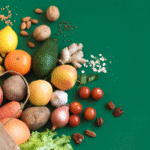
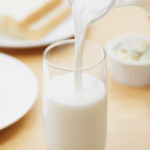
Among various types of organic products, organic fruits and vegetables are leading the market due to their high demand among health-conscious consumers. The trend towards plant-based diets and the increasing awareness of the benefits of organic produce are driving this segment’s growth. Organic dairy products and beverages are also gaining traction as consumers seek healthier alternatives.
Organic meat, poultry, and fish represent another significant and fast-growing category. Among various categories, meat, poultry, and fish hold the largest market share, as consumers increasingly seek hormone-free, pasture-raised, and grass-fed protein sources that align with their wellness goals.
Across the forecast period, sales of organic staple foods are set to grow, with retail sales projected to rise at a 6.0% constant value CAGR to reach USD 75.5 million in 2028, the largest category within organic health and wellness.
The organic dairy comparison is particularly relevant for Dubai consumers — as we explored in our guide on Organic vs. Conventional Dairy: Health Benefits Explained, the differences in hormone content, antibiotic use, and omega-3 fatty acid levels make organic dairy one of the highest-impact switches a health-conscious consumer can make.
The Future: Where Dubai’s Organic Food Market Is Heading
The trajectory of organic food in Dubai points unmistakably upward — and the conditions for continued growth are firmly in place.
The rising health consciousness, inflating disposable income levels, favorable government initiatives, increasing awareness about the benefits of organic food, rapidly expanding tourism and hospitality industry, and growing environmental concerns represent some of the key factors driving the GCC organic food market.
Dubai’s hospitality and tourism sector adds a unique amplifier to this growth. Dubai’s culinary achievements include three restaurants receiving Michelin Green stars in 2024 — a recognition that emphasizes the region’s commitment to sustainability and culinary excellence, attracting international visitors seeking unique dining experiences. As sustainability becomes a marker of culinary prestige, organic sourcing in Dubai’s restaurants and hotels will intensify.
Technology will play an increasingly central role. The rapid growth of online organic retail, combined with Dubai’s world-class e-commerce and logistics infrastructure, is making organic food accessible to a broader demographic than ever before. Approximately 75% of consumers in the UAE have purchased groceries online, providing a powerful digital highway for organic brands to reach customers directly.
The future trends in organic agriculture globally — regenerative farming, precision organic growing, biodegradable packaging, and transparent supply chains — will all find early adoption in Dubai’s innovation-driven market. Our post on Future Trends in Organic Agriculture explores many of these directions in depth, and Dubai is positioned to be an early and influential adopter of each of them.
FAQs: Organic Food in Dubai
Q1: Is organic food widely available in Dubai? Yes — organic food in Dubai is more widely available today than at any point in the city’s history. You can find certified organic products across a broad range of channels: specialty stores like Greenheart Organic Farms and Organic Foods & Café, major supermarket chains including Spinneys, Waitrose, and Carrefour UAE, online delivery platforms like Kibsons and Organic & Real, and weekend farmers markets like the Ripe Market. The ecosystem has expanded dramatically in recent years, driven by rising consumer demand, government support, and the growth of both physical and digital retail infrastructure across the city.
Q2: Is organic food in Dubai expensive compared to conventional food? Yes — organic food in Dubai typically costs more than conventional alternatives, and price remains the single biggest barrier to wider adoption. The premium reflects the genuine additional costs of organic farming: lower crop yields, more labor-intensive practices, certification requirements, and in many cases, international shipping since the majority of organic products available in Dubai are imported. That said, prices have become more competitive as demand has grown and local producers have expanded. Strategies like buying in bulk, shopping at farmers markets for direct-from-producer pricing, and focusing organic spending on high-pesticide categories like fruits and vegetables can help manage costs.
Q3: How is organic food certified and regulated in Dubai? Organic food regulation in Dubai operates at both federal and emirate levels. At the federal level, the Ministry of Climate Change and Environment (MOCCAE) and the Emirates Standardization and Metrology Authority (ESMA) oversee food safety and standards. In Dubai specifically, the Food Safety Department of Dubai Municipality administers and enforces food regulations. For organic claims, the USDA Organic seal and certificate is officially accepted by UAE authorities. Organic products making specific claims on their labels must be supported by valid certification from a recognized certifying body — and products without proper documentation face rejection or financial penalties.
Q4: Which are the best organic food stores in Dubai? Dubai has several highly regarded organic food retailers. Greenheart Organic Farms — which grew from a balcony garden to a full-scale organic operation — is one of the most trusted local sources, growing produce directly in the UAE and delivering across the emirate. Organic Foods & Café combines retail shopping with a café experience and has multiple locations across the city. Kibsons is the leading online organic delivery service, offering same-day delivery of fruits, vegetables, dairy, meat, and pantry goods. Spinneys and Waitrose both carry well-curated organic sections within their mainstream supermarket format, making organic options accessible to everyday shoppers.
Q5: Does Dubai have organic farmers markets? Yes. The Ripe Market is Dubai’s most popular organic and artisan food market, bringing together local farmers, organic food producers, and wellness brands in a vibrant weekend setting. It operates at multiple locations across Dubai throughout the year. Greenheart Organic Farms also hosts periodic farm markets where customers can shop directly from the source. These markets serve as both retail channels and community education spaces, offering a more direct connection between consumers and producers than traditional retail environments.
Q6: Can I order organic food online for delivery in Dubai? Absolutely. Online delivery is now one of the primary channels for organic food shopping in Dubai. Kibsons offers free same-day delivery of a wide range of organic produce, groceries, and pantry essentials. Organic & Real operates an online platform with home delivery across Dubai and the UAE. Greenheart Organic Farms also provides online ordering with next-day delivery for orders placed before 3pm. Major platforms like Carrefour UAE and Amazon.ae also carry organic products. The UAE’s world-class e-commerce infrastructure makes online organic shopping one of the most convenient options available to Dubai residents.
Q7: How big is the organic food market in Dubai and the UAE? The UAE organic food market was valued at approximately USD 44.67 million in 2024 and is projected to grow to USD 51.23 million by 2030, with a CAGR of around 4.62–6.1% depending on the source. Dubai accounts for approximately 41% of UAE food market revenue, making it the dominant market within the country. When viewed within the broader GCC context, the regional organic food market is significantly larger — reaching USD 4.4 billion in 2024 and expected to grow to USD 11.7 billion by 2033. Health awareness, expatriate demand, government support, and the expansion of online retail are the primary growth drivers.
Q8: What types of organic food are most popular in Dubai? Organic fruits and vegetables are the most in-demand organic category in Dubai, driven by growing interest in plant-based diets and awareness of pesticide residues on conventional produce. Organic meat, poultry, and fish represent another major and fast-growing segment, as consumers seek hormone-free, pasture-raised protein sources. Organic dairy products — including milk, yogurt, and cheese — are also gaining significant traction. Organic staple foods (grains, legumes, pantry items) are projected to reach USD 75.5 million in UAE retail sales by 2028, making it the largest category within the organic health and wellness segment.
Q9: Is the UAE government supporting the growth of organic food? Yes, significantly. In 2023, the UAE’s Ministry of Climate Change and Environment launched a nationwide campaign promoting the benefits of organic food across television, print, and digital channels. The UAE’s National Food Security Strategy specifically supports local agricultural production and sustainable farming, with the government allocating USD 1.5 billion to food security initiatives from 2022 to 2024. These investments create infrastructure, regulatory clarity, and public awareness that together support the expansion of organic food from a premium niche to a mainstream consumer category across Dubai and the broader UAE.
Q10: Is locally grown organic food available in Dubai, or is it all imported? Both, though the majority of organic products in Dubai are imported. The UAE’s climate — extreme heat, scarce arable land, and limited rainfall — makes large-scale conventional outdoor organic farming challenging. However, local organic producers do exist and are growing in significance. Greenheart Organic Farms grows certified organic produce directly in the UAE, harvesting fresh daily from their Dubai-based farm. Innovations in controlled environment agriculture, hydroponics, and vertical farming are enabling more local organic production. The UAE government’s food security strategy is actively supporting domestic agricultural development, which is expected to increase local organic supply over the coming years.
A City That Reflects Global Organic Values
There is something fitting about Dubai becoming a significant hub for organic food. This is a city that has never been satisfied with doing things the way everyone else does them. It attracts people who are ambitious about their health, informed about their choices, and willing to invest in quality. Those are precisely the conditions under which organic food markets flourish.
The organic food movement is, at its core, about reclaiming agency over what goes into your body — understanding your food, trusting its origins, and aligning your daily choices with your values. Those themes resonate deeply with Dubai’s globally connected, health-conscious, quality-oriented consumer culture.
Whether you are a long-term Dubai resident building your organic pantry, an expatriate navigating a new food landscape, or a visitor discovering what this city’s food scene has become, the organic food options in Dubai today are richer, more diverse, and more accessible than they have ever been. And given the growth trajectories, economic investment, and cultural momentum behind this market, the best is very likely still to come.
Exploring the world of organic food beyond Dubai? Our guides on Are Organic Foods Safer? What Science Says, Common Myths About Organic Food, and The Evolution of Organic Food Over the Last 20 Years give you a comprehensive global picture of the organic food movement.