

Buying organic food in bulk can be one of the smartest ways to maintain a clean, organic diet without overspending. Staples like grains, beans, nuts, seeds, and spices often cost significantly less per unit when purchased in larger quantities. Done right, bulk buying saves money, reduces packaging waste, and simplifies meal planning.
Done wrong, however, it can lead to food spoilage, pest problems, nutrient loss, and wasted money.
This guide walks you through the do’s and don’ts of buying organic in bulk, so you get the benefits without the common pitfalls.
Why Buying Organic in Bulk Is Popular
Organic food often comes with a price premium. Bulk buying helps offset that cost by:
- Lowering price per pound or serving
- Reducing packaging and plastic waste
- Allowing long-term pantry planning
- Cutting down frequent shopping trips
For households that cook regularly or follow plant-forward diets, bulk organic shopping can make organic eating far more accessible.
The DO’s of Buying Organic in Bulk
1. DO Start With Shelf-Stable Staples
Bulk buying works best for foods with long shelf lives, such as:
- Dried beans and lentils
- Rice, oats, quinoa, and barley
- Flour (stored properly)
- Nuts and seeds
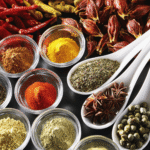
- Dried herbs and spices
These foods maintain quality for months when stored correctly and are used frequently in everyday cooking.
2. DO Verify Organic Certification Carefully
When buying in bulk bins or large sacks:
- Look for certified organic labels or signage
- Ask staff about sourcing and certification
- Avoid vague terms like “natural” or “eco”
Bulk products can lose their original packaging, so verification matters more.
3. DO Buy Quantities You’ll Actually Use
Bulk buying only saves money if you finish what you buy.
Ask yourself:
- How often do I cook with this ingredient?
- Will I realistically use this within 3–6 months?
- Do I already have something similar at home?
Buying smaller bulk quantities frequently is often better than hoarding large amounts.
4. DO Store Bulk Organics Properly
Proper storage is critical for organic foods, which lack preservatives.
Best practices:
- Use airtight glass or food-grade containers
- Store grains and flours in cool, dark places
- Refrigerate or freeze nuts, seeds, and whole-grain flours
- Label containers with purchase dates
Good storage protects freshness, flavor, and nutrients.
5. DO Compare Unit Prices
Not all bulk items are cheaper.
Always compare:
- Price per pound or kilogram
- Bulk vs packaged organic versions
- Online vs local bulk options
Some packaged organic products are competitively priced and safer for items with shorter shelf lives.
The DON’Ts of Buying Organic in Bulk
1. DON’T Bulk Buy Perishables Without a Plan
Fresh organic produce, dairy, and oils don’t benefit from bulk buying unless you have a clear usage or preservation plan.
Avoid bulk buying:
- Fresh fruits and vegetables without freezing plans
- Cold-pressed oils you won’t use quickly
- Fresh organic bread without freezing space
Organic foods spoil faster because they lack synthetic preservatives.
2. DON’T Ignore Moisture and Pest Risks
Bulk foods are more vulnerable to:
- Pantry moths
- Weevils
- Mold from humidity
Never store bulk food in thin plastic bags or open containers. Transfer immediately into sealed containers once home.
3. DON’T Assume Bulk Always Means Fresher
High turnover matters more than quantity.
Ask:
- How often is this bin refilled?
- Does it smell fresh?
- Is there dust, clumping, or discoloration?
Bulk bins in low-traffic stores may hold older stock.
4. DON’T Overbuy Oils, Nuts, and Seeds
These are nutrient-dense but fragile.
Organic nuts and oils:
- Go rancid faster
- Lose nutritional quality over time
- Can develop off-flavors
Buy smaller bulk quantities and store them cold.
5. DON’T Forget Food Safety
Always:
- Wash bulk containers before reuse
- Avoid bins with exposed scoops or contamination
- Skip bulk items if sanitation looks questionable
Organic doesn’t mean risk-free—clean handling still matters.
Best Organic Foods to Buy in Bulk
Ideal bulk organic items include:
- Rice and grains
- Lentils and beans
- Oats
- Dry pasta
- Spices and dried herbs
- Baking staples like sugar and baking soda
These offer the best balance of savings, shelf life, and nutrition.
When Bulk Buying Organic Is NOT Worth It
Bulk buying may not make sense if:
- You cook infrequently
- You lack proper storage space
- You live in a humid climate without climate control
- The price difference is minimal
In these cases, smaller organic packages reduce waste and stress.
Organic Bulk-Buying Checklist
| Checkpoint | What to Look For | ✔️ |
|---|---|---|
| Organic Verification | Certified organic signage or staff confirmation | ⬜ |
| Item Type | Shelf-stable foods (grains, beans, nuts, seeds) | ⬜ |
| Usage Frequency | Ingredient used weekly or bi-weekly | ⬜ |
| Quantity Match | Amount aligns with 1–3 months of use | ⬜ |
| Price Check | Lower unit price than packaged organic version | ⬜ |
| Storage Plan | Airtight containers available at home | ⬜ |
| Pest Risk | No signs of insects, clumping, or moisture | ⬜ |
| Freshness | Clean smell, no discoloration or dust | ⬜ |
| Turnover Rate | High-traffic bin with regular refills | ⬜ |
| Transport | Containers or sealed bags ready for transit | ⬜ |
Before purchasing bulk organic items, quickly run through each row. If you can’t check at least 7 out of 10 boxes, reconsider buying that item in bulk.
Frequently Asked Questions: Buying Organic in Bulk
1. Is buying organic in bulk always cheaper?
Not always. Bulk prices are often lower per unit, but savings depend on turnover, storage, and how quickly you use the product. Spoilage cancels savings.
2. Are bulk organic foods really certified organic?
They should be, but verification matters. Always check in-store signage, ask for certification details, or look for sourcing information—bulk bins lose original packaging.
3. How long do bulk organic foods last?
Shelf life varies. Grains and beans can last months to a year when stored airtight and cool. Nuts, seeds, and whole-grain flours last longer refrigerated or frozen.
4. Is it safe to buy organic food from bulk bins?
Yes, if the store maintains good sanitation. Avoid bins with exposed scoops, clumping, moisture, or off smells, and transfer food to clean containers at home.
5. What organic foods should I avoid buying in bulk?
Avoid bulk buying perishable items, cold-pressed oils, fresh produce without a freezing plan, and items you use infrequently.
6. How should I store bulk organic foods at home?
Use airtight glass or food-grade containers, label with purchase dates, keep grains cool and dark, and refrigerate or freeze nuts, seeds, and flours.
7. Can bulk organic foods attract pests?
Yes. Organic foods lack preservatives, so airtight storage and immediate transfer from bags are essential to prevent pantry pests.
Final Takeaway
Buying organic in bulk can be a powerful way to eat cleaner while spending less — but only when done intentionally. Focus on shelf-stable staples, verify certification, store properly, and resist the urge to overbuy. Organic food is an investment in health and sustainability, and smart bulk buying ensures that investment pays off.
When in doubt, buy less, store better, and restock more often.







[…] conventional sugar, but buying it in bulk significantly reduces the per-unit cost. Our guide on Buying Organic in Bulk covers how to do this […]