

Hormones are the body’s chemical messengers. They regulate nearly everything — metabolism, appetite, mood, sleep, fertility, stress response, and immune function. When hormones are balanced, the body functions smoothly. When they’re disrupted, even slightly, the effects can cascade into fatigue, weight gain, mood swings, irregular cycles, thyroid issues, and metabolic disorders.
In recent years, growing evidence suggests that diet, especially exposure to chemicals in food, plays a significant role in hormonal health. This is where organic food becomes particularly relevant.
Organic food isn’t just a lifestyle trend. For many people, it’s a strategic choice to reduce hormone-disrupting chemicals and support the body’s natural endocrine system.
This guide explores how organic food impacts hormonal balance, what the science says, and how to make practical organic choices that actually matter.
Understanding Hormonal Balance (and Why It’s Fragile)
Hormones operate in delicate feedback loops. Even small disruptions can throw off balance.
Key hormones affected by diet and environment include:
- Insulin (blood sugar regulation)
- Cortisol (stress hormone)
- Estrogen & progesterone (reproductive health)
- Testosterone (muscle, energy, libido)
- Thyroid hormones (T3, T4) (metabolism)
- Leptin & ghrelin (hunger and satiety)
Many synthetic chemicals commonly found in conventional food production are known or suspected endocrine disruptors, substances that interfere with hormone signaling.
How Conventional Food Can Disrupt Hormones
1. Pesticide Residues
Many conventional fruits, vegetables, and grains contain residues of pesticides that have been linked to hormonal disruption.
Some pesticides can:
- Mimic estrogen (xenoestrogens)
- Block androgen (testosterone) receptors
- Interfere with thyroid hormone production
Chronic exposure — even at low levels — may contribute to hormonal imbalances over time.
2. Synthetic Hormones in Animal Products
Conventional dairy and meat production may involve:
- Growth hormones
- Hormone-treated feed
- Antibiotic use affecting gut bacteria (which play a role in hormone metabolism)
Hormones are fat-soluble, meaning they can accumulate in fatty animal products.
3. Food Additives and Packaging Chemicals
Artificial additives and chemicals like BPA, phthalates, and PFAS, often found in food packaging and processing, are well-documented endocrine disruptors.
They can interfere with:
- Estrogen signaling
- Insulin sensitivity
- Thyroid hormone function
How Organic Food Supports Hormonal Balance
1. Reduced Exposure to Endocrine Disruptors
Organic farming prohibits synthetic pesticides, growth hormones, and many artificial additives. This significantly lowers the body’s daily chemical burden.
Lower chemical exposure allows hormonal signaling pathways to function more efficiently.
2. Healthier Fat Profiles
Organic animal products often contain:
- Higher omega-3 fatty acids
- Better omega-6 to omega-3 ratios
- Higher conjugated linoleic acid (CLA)
Healthy fats are essential for hormone production, especially sex hormones and adrenal hormones.
3. Improved Gut Health
The gut plays a key role in hormone regulation, especially estrogen metabolism.
Organic foods:
- Are richer in fiber
- Avoid antibiotic residues
- Support a healthier microbiome
A balanced gut microbiome helps prevent estrogen dominance and supports insulin regulation.
Organic Food and Specific Hormones
While organic food supports overall hormonal health, its impact becomes even clearer when we look at individual hormones. Different hormones respond differently to dietary inputs and environmental exposures, especially chemicals commonly found in conventional food systems. By reducing pesticide residues, synthetic hormones, and endocrine-disrupting compounds, organic food can help protect key hormonal pathways, particularly those related to reproduction, metabolism, and stress regulation. One of the most commonly affected systems is estrogen balance, which plays a central role in both women’s and men’s health.
Organic Food and Estrogen Balance
Excess estrogen (estrogen dominance) is linked to:
- PMS
- Endometriosis
- Fibroids
- Certain cancers
Organic diets may help by:
- Reducing estrogen-mimicking chemicals
- Supporting liver detox pathways
- Improving fiber intake to eliminate excess hormones
Organic Food and Insulin Sensitivity
Highly processed foods contribute to insulin resistance.
Organic whole foods:
- Improve blood sugar stability
- Reduce inflammatory triggers
- Support metabolic health
Better insulin sensitivity means fewer cravings, improved energy, and reduced risk of type 2 diabetes.
Organic Food and Thyroid Health
Thyroid hormones are sensitive to environmental toxins.
Some pesticides and food additives are known thyroid disruptors. Choosing organic:
- Reduces exposure to thyroid-interfering chemicals
- Supports iodine and selenium intake from whole foods
Organic Food and Cortisol (Stress Hormone)
Blood sugar instability, inflammation, and poor gut health all elevate cortisol.
Organic, whole-food diets help:
- Stabilize blood sugar
- Reduce inflammatory load
- Support adrenal health
Who Benefits Most from Organic Eating for Hormonal Health?
Organic food can benefit everyone, but it’s especially impactful for:
- Women with PMS, PCOS, or irregular cycles
- Men with low testosterone or fertility concerns
- Children (developing endocrine systems)
- Pregnant women
- People with thyroid or metabolic disorders
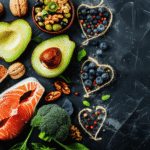
Organic Foods That Support Hormonal Balance
Focus on:
- Leafy greens (spinach, kale)
- Cruciferous vegetables (broccoli, cauliflower)
- Organic eggs and dairy
- Fatty fish (wild-caught when possible)
- Whole grains and legumes
- Organic nuts and seeds
- Fresh fruits (especially berries)
Budget-Friendly Organic Priorities
You don’t need to eat 100% organic to see benefits.
Prioritize organic for:
- Dairy and eggs
- Meat and poultry
- The Dirty Dozen produce list
- Foods eaten daily
Use conventional options for:
- Clean Fifteen produce
- Occasional foods
What the Science Says (In Simple Terms)
Research has shown:
- Lower pesticide metabolites in people eating organic diets
- Reduced endocrine-disrupting chemical exposure
- Improved markers of metabolic and hormonal health in some populations
While organic food isn’t a cure-all, it removes obstacles that prevent the body from regulating hormones effectively.
Hormone-Supportive Organic Food Checklist
Use this checklist to prioritize organic foods that help reduce hormone disruption, support detox pathways, and stabilize blood sugar.
Vegetables (Daily Priority)
☐ Organic leafy greens (spinach, kale, arugula)
☐ Organic cruciferous vegetables (broccoli, cauliflower, cabbage)
☐ Organic zucchini, cucumbers, and bell peppers
☐ Organic carrots and beets
Why they matter:
Support estrogen detoxification, liver function, and gut health.
Fruits (Choose Organic for High-Risk Items)
☐ Organic berries (strawberries, blueberries)
☐ Organic apples and pears
☐ Organic citrus fruits (lemons, oranges)
☐ Organic avocados
Why they matter:
Provide antioxidants while minimizing pesticide exposure that can mimic estrogen.
Animal Products (Strongly Recommend Organic)
☐ Organic eggs
☐ Organic milk, yogurt, or kefir
☐ Organic grass-fed butter
☐ Organic poultry and meat
Why they matter:
Organic standards prohibit growth hormones and routine antibiotics that may interfere with endocrine balance.
Healthy Fats (Essential for Hormone Production)
☐ Extra-virgin organic olive oil
☐ Organic nuts and seeds (flax, chia, walnuts)
☐ Wild-caught fatty fish (salmon, sardines when possible)
☐ Organic coconut oil
Why they matter:
Hormones are made from fats—quality fats support estrogen, progesterone, and testosterone balance.
Whole Grains & Legumes
☐ Organic oats
☐ Organic brown rice or quinoa
☐ Organic lentils and chickpeas
☐ Organic beans
Why they matter:
Support blood sugar control and help eliminate excess hormones through fiber.
Herbs & Spices (Small but Powerful)
☐ Organic turmeric
☐ Organic ginger
☐ Organic cinnamon
☐ Organic garlic
Why they matter:
Reduce inflammation and support insulin sensitivity.
Beverages (Often Overlooked)
☐ Filtered water
☐ Organic herbal teas (chamomile, peppermint, green tea)
☐ Organic mocktails and fresh juices (lightly sweetened)
Why they matter:
Hydration supports detoxification and cortisol regulation.
Limit or Avoid for Hormonal Balance
☐ Highly processed foods
☐ Conventional dairy and meat
☐ Refined sugar and sugary drinks
☐ Artificial sweeteners and additives
☐ Foods packaged in plastic (when possible)
Smart Hormone-Friendly Tip
You don’t need to eat 100% organic. For the biggest hormonal impact, prioritize organic for:
- Foods eaten daily
- Animal products
- The Dirty Dozen produce list
Common Myths About Organic Food and Hormones
-
“Organic food fixes hormonal disorders overnight.”
→ Hormonal balance takes time and consistency. -
“Organic means hormone-free automatically.”
→ Organic standards reduce exposure, not eliminate all environmental factors. -
“Only women benefit.”
→ Men and children benefit equally.
FAQs
1. Can organic food really help balance hormones?
Yes. Organic food can support hormonal balance by reducing exposure to endocrine-disrupting chemicals such as synthetic pesticides, growth hormones, and certain food additives that interfere with hormone signaling.
2. Which hormones are most affected by food choices?
Diet most strongly affects insulin, estrogen, cortisol, thyroid hormones, and sex hormones like testosterone and progesterone, all of which are sensitive to chemical exposure and nutrient quality.
3. Is organic food especially important for women’s hormonal health?
Yes. Organic food may benefit women with PMS, PCOS, irregular cycles, or estrogen dominance by reducing exposure to estrogen-mimicking chemicals and supporting healthy hormone metabolism.
4. Does organic dairy affect hormone levels differently than conventional dairy?
Organic dairy avoids synthetic growth hormones and routine antibiotics, which may help reduce hormonal interference and support better fat profiles important for hormone production.
5. Can organic food improve insulin sensitivity?
Organic whole foods may improve insulin sensitivity by lowering inflammatory triggers, reducing chemical exposure, and supporting blood sugar stability.
6. Is eating 100% organic necessary for hormonal balance?
No. Many people benefit by prioritizing organic foods for daily staples, animal products, and high-pesticide produce while using conventional options selectively.
7. How long does it take to see hormonal benefits from eating organic?
Some people notice improvements in energy, digestion, or blood sugar within weeks, but meaningful hormonal balance typically develops over months with consistent lifestyle changes.
Final Thoughts: Is Organic Food Worth It for Hormonal Balance?
Hormonal balance isn’t about one supplement or a quick fix; it’s about reducing chronic stressors on the body. Organic food plays a meaningful role by lowering exposure to hormone-disrupting chemicals and supporting whole-body health.
For many people, switching to organic isn’t about perfection; it’s about giving the endocrine system fewer obstacles to overcome.
When combined with sleep, movement, stress management, and whole-food eating, organic food becomes a powerful ally in restoring and maintaining hormonal balance.






[…] The unique nutrients in mushrooms support your endocrine system. They provide essential minerals that your thyroid gland needs to function properly. Proper thyroid function ensures your body maintains a healthy metabolic rate. For more information on this topic, read our post on how organic food supports hormonal balance. […]
[…] Beyond damaging detergents, conventional formulas rely heavily on artificial preservatives. Manufacturers use synthetic parabens to extend the shelf life of their cheap watery products. Medical studies constantly link these synthetic parabens to severe endocrine disruption. You can explore how hidden chemicals disrupt your body in our detailed guide on hormonal balance. […]
[…] already thinking carefully about hormone-disrupting chemicals in your daily products, our guide on Organic Food and Hormonal Balance covers the full food-hormone […]
[…] Manufacturers heavily rely on artificial preservatives like synthetic parabens. They use these cheap chemicals to extend the shelf life of watery lotions. Medical studies consistently link synthetic parabens to severe endocrine disruption. You can explore how hidden chemicals disrupt your body in our detailed guide on hormonal balance. […]
[…] Furthermore, many popular commercial brands use artificial fragrances to mask the smell of bleach and ammonia. These synthetic fragrances contain phthalates. Phthalates act as severe endocrine disruptors inside the human body. You can explore exactly how these hidden chemicals disrupt your body in our detailed guide on hormonal balance. […]
[…] organic diet that supports collagen production, immune function, and long-term health, our guide on Organic Food and Hormonal Balance covers the nutrient interaction picture in […]
[…] of glutathione peroxidase, the body’s primary intracellular antioxidant enzyme. Our guide on organic food and hormonal balance covers selenium’s role in thyroid function and hormonal health in […]
[…] broader picture of how organic food supports hormonal regulation across the menstrual cycle, our Organic Food and Hormonal Balance guide covers the diet-hormone connection in […]
[…] Support that system with fiber and cruciferous vegetables, and the wider approach in our guide to organic food and hormonal balance becomes more […]
[…] together rather than any single food. For how diet shapes the broader male hormonal picture, our organic food and hormonal balance guide covers the testosterone and DHT pathways in […]
[…] testosterone production. For how insulin and blood sugar interact with hormones more broadly, our organic food and hormonal balance guide covers the […]
[…] the specific nutrients that support healthy levels regardless of your eating schedule, and our organic food and hormonal balance guide covers the wider […]
[…] health. Chronic stress and poor diet raise cortisol, which disrupts both mood and testosterone. Our organic food and hormonal balance guide covers how stabilizing diet supports the hormones that influence mood and drive in […]
[…] the broader hormonal context, our organic food and hormonal balance guide and foods to boost testosterone guide cover how the androgen system works as a […]