

Eating organic isn’t just about swapping ingredients; it’s about building consistent habits that support long-term health, energy, and balance. A 21-day organic meal plan is one of the most effective ways to reset your diet, reduce chemical exposure, and transition into a cleaner, more intentional way of eating without overwhelm.
Why 21 days?
Research and behavioral science suggest it takes roughly three weeks to establish new habits. This plan is designed to help you ease into organic eating, not force perfection.
Whether your goal is better digestion, weight management, hormone balance, or simply eating cleaner food, this guide walks you through everything you need to know, plus a complete 21-day plan you can actually follow.
Why Choose a 21-Day Organic Meal Plan?
A structured organic meal plan helps you:
- Reduce exposure to pesticides, antibiotics, and additives
- Improve digestion and gut health
- Stabilize blood sugar and energy levels
- Simplify grocery shopping and cooking
- Build sustainable eating habits (not crash diets)
Unlike restrictive detoxes, this plan focuses on whole foods, balance, and flexibility.
Core Principles of This 21-Day Organic Meal Plan
Before diving into the daily meals, here are the guiding rules:
1. Prioritize Whole, Organic Foods
Focus on organic vegetables, fruits, grains, legumes, eggs, dairy, and meat whenever possible, especially for daily staples.
2. Balance Every Meal
Each meal should include:
- Protein (for satiety and muscle health)
- Fiber-rich carbs (vegetables, grains)
- Healthy fats (olive oil, nuts, seeds)
3. Keep It Simple
This plan avoids complicated recipes. Most meals require 20–30 minutes or less.
4. Flexible, Not Perfect
If something isn’t available organically, follow the Dirty Dozen & Clean Fifteen framework and move on, consistency matters more than perfection.
How to Use This Plan
- Meals per day: Breakfast, Lunch, Dinner (+ optional snacks)
- Portion guidance: Eat until comfortably full
- Hydration: Water, herbal teas, black coffee (unsweetened)
- Cooking style: Mostly home-cooked, occasional leftovers encouraged
A 21-Day Organic Meal Plan
This 21-day organic meal plan is designed to be flexible, realistic, and sustainable. You’ll notice repetition on purpose—because consistency builds habits, not novelty. Each day includes simple meals, optional swaps, and prep tips so you don’t feel stuck or overwhelmed.
Week 1: Reset & Clean Foundations (Days 1–7)
Focus: Reduce ultra-processed foods, stabilize digestion, reset taste buds
Day 1 – Gentle Reset
Breakfast: Organic oatmeal with berries & nuts
Lunch: Mixed greens salad + grilled organic chicken
Dinner: Baked organic salmon, quinoa, steamed broccoli
Why this day matters:
This day eases your body into cleaner eating without shock. Fiber + protein help stabilize blood sugar.
Easy swaps:
- No salmon? Use organic eggs or lentils
- No quinoa? Use brown rice
Prep tip:
Cook extra quinoa for Days 2–3.
Day 2 – Fiber & Gut Support
Breakfast: Organic eggs with sautéed spinach
Lunch: Lentil & vegetable soup
Dinner: Brown rice with roasted vegetables + tahini
Why this day matters:
Lentils and vegetables support gut bacteria and digestion.
Convenience tip:
Make a big pot of soup—it lasts 2–3 days.
Day 3 – Balanced Energy
Breakfast: Organic yogurt with seeds & fruit
Lunch: Chickpea cucumber salad
Dinner: Grilled organic turkey, sweet potatoes, green beans
Why this day matters:
Protein + complex carbs = steady energy.
Swap options:
- Turkey → tofu or beans
- Yogurt → plant-based organic yogurt
Day 4 – Light Detox Support
Breakfast: Smoothie (banana, greens, almond butter)
Lunch: Quinoa vegetable bowl
Dinner: Stir-fried organic tofu with mixed vegetables
Why this day matters:
Leafy greens and plant protein support natural detox pathways.
Prep tip:
Pre-chop vegetables for the next 2 days.
Day 5 – Protein Focus
Breakfast: Eggs with avocado
Lunch: Leftover stir-fry
Dinner: Organic lentil curry with brown rice
Why this day matters:
Higher protein reduces cravings and supports metabolism.
Day 6 – Comfort Without Junk
Breakfast: Oatmeal with cinnamon
Lunch: Tuna salad over greens
Dinner: Roasted organic chicken, carrots, potatoes
Why this day matters:
This mimics a “comfort food” day—without ultra-processed ingredients.
Day 7 – Light & Reflective
Breakfast: Yogurt + fruit
Lunch: Simple vegetable soup
Dinner: Salad + boiled eggs
Why this day matters:
A lighter day gives digestion a break and prepares you for Week 2.
Week 2: Balance & Nourishment (Days 8–14)
Focus: Energy, metabolism, nutrient density
Day 8 – Re-Energize
Breakfast: Scrambled eggs with vegetables
Lunch: Lentil salad with olive oil & lemon
Dinner: Baked fish, quinoa, greens
Why this day matters:
Healthy fats + protein support hormone balance.
Day 9 – Plant-Forward Strength
Breakfast: Smoothie with organic protein
Lunch: Brown rice & beans bowl
Dinner: Turkey meatballs with roasted vegetables
Prep tip:
Freeze extra meatballs for later weeks.
Day 10 – Simple & Satisfying
Breakfast: Oatmeal with seeds
Lunch: Chickpea wrap
Dinner: Organic chicken stir-fry
Why this day matters:
Balanced meals prevent afternoon crashes.
Day 11 – Digestive Ease
Breakfast: Yogurt with nuts
Lunch: Vegetable soup
Dinner: Lentils, sweet potatoes, sautéed greens
Tip:
Eat slowly today—mindful eating improves digestion.
Day 12 – Omega-3 Boost
Breakfast: Eggs & avocado
Lunch: Leftover lentils
Dinner: Organic salmon salad
Why this day matters:
Omega-3s support heart and brain health.
Day 13 – Flexible Choice Day
Breakfast: Smoothie
Lunch: Quinoa veggie bowl
Dinner: Small portion organic beef or plant protein
Mindset note:
This is about sustainability—not restriction.
Day 14 – Reset Lightly
Breakfast: Fruit + yogurt
Lunch: Salad
Dinner: Homemade soup
Why this day matters:
Prevents burnout before Week 3.
Week 3: Consistency & Lifestyle Integration (Days 15–21)
Focus: Habit formation, flexibility, confidence
Day 15 – Routine Reinforcement
Breakfast: Oatmeal
Lunch: Chickpea salad
Dinner: Organic chicken, rice, vegetables
Why this day matters:
Repetition builds automatic habits.
Day 16 – Protein Balance
Breakfast: Eggs
Lunch: Lentil soup
Dinner: Fish with greens
Day 17 – Plant-Powered
Breakfast: Smoothie
Lunch: Grain bowl
Dinner: Stir-fried tofu
Day 18 – Light & Clean
Breakfast: Yogurt & fruit
Lunch: Salad with protein
Dinner: Roasted vegetables + beans
Day 19 – Comfort & Control
Breakfast: Oatmeal
Lunch: Leftovers
Dinner: Organic turkey, sweet potatoes
Day 20 – Choice Day
Breakfast: Eggs
Lunch: Soup
Dinner: Fish or plant-based meal
Tip:
Choose what feels best—this is lifestyle eating now.
Day 21 – Integration Day
Breakfast: Favorite meal from the plan
Lunch: Balanced bowl
Dinner: Celebrate with a nourishing homemade meal
Reflection prompt:
Smart Grocery Tips for the 21-Day Plan
- Buy organic produce, eggs, milk, and grains first
- Use frozen organic vegetables to save money
- Cook double portions for leftovers
- Keep a rotation of staples: lentils, rice, oats, eggs
Common Mistakes to Avoid
- Trying to eat 100% organic immediately
- Skipping protein (leads to hunger)
- Overcomplicating recipes
- Treating this like a detox instead of a lifestyle shift
What Happens After 21 Days?
Most people report:
- Better digestion
- Reduced cravings
- More stable energy
- Clearer understanding of what foods work for them
At this point, organic eating stops feeling like “a plan” and starts feeling like your normal routine.
FAQs
1. What is a 21-day organic meal plan?
A 21-day organic meal plan is a structured eating plan focused on whole, organic foods designed to help build healthier eating habits, reduce chemical exposure, and improve overall wellness over three weeks.
2. Do I need to eat 100% organic during the 21 days?
No. While organic is ideal, the plan encourages prioritizing organic for daily staples and high-risk foods. Flexibility is built in to keep the plan realistic and sustainable.
3. Is a 21-day organic meal plan good for beginners?
Yes. This plan is beginner-friendly, using simple meals, repeated ingredients, and flexible swaps so anyone can follow it without feeling overwhelmed.
4. Can I lose weight on a 21-day organic meal plan?
Many people experience weight loss due to improved food quality, reduced processed foods, and balanced meals—but the primary goal is long-term health, not rapid weight loss.
5. How much meal prep is required for this plan?
Minimal. Batch cooking once or twice a week (soups, grains, roasted vegetables) is enough to stay on track without daily cooking stress.
6. Is this plan suitable for vegetarians or plant-based eaters?
Yes. The plan includes plant-based protein options like lentils, beans, tofu, and quinoa, with easy swaps for animal-based proteins.
7. What should I do after completing the 21 days?
After 21 days, you can continue rotating meals, refine what works best for you, and transition organic eating into a long-term lifestyle rather than a temporary plan.
Final Thoughts
A 21-day organic meal plan isn’t about perfection; it’s about progress. By focusing on whole, organic foods and simple meals, you build habits that support long-term health without stress or restriction.
Think of this plan as a foundation, not a finish line. Once the habits are in place, organic living becomes less about rules and more about intuition.





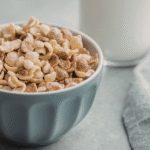








[…] Buying organic food in bulk can be one of the smartest ways to maintain a clean, organic diet without overspending. Staples like grains, beans, nuts, seeds, and spices often cost significantly less per unit when purchased in larger quantities. Done right, bulk buying saves money, reduces packaging waste, and simplifies meal planning. […]
[…] meal ideas integrating pineapple and other nutrient-dense organic fruits throughout the week, our 21-Day Organic Meal Plan and Organic Salads for Weight Loss feature pineapple in multiple […]
[…] recipe ideas that integrate asparagus with other high-nutrient organic vegetables, our 21-Day Organic Meal Plan and Organic Salads for Weight Loss feature asparagus throughout the spring and early summer […]
[…] the strong discipline required when starting a clean daily diet. Just like following a strict 21-day organic routine, your physical body needs three full weeks to adapt and show true, lasting […]
[…] this powerful protein synergy. You can easily incorporate these protein combinations into a 21-day organic meal plan to boost your daily clean energy […]
[…] framework on incorporating organic spices including coriander across structured daily meals, our 21-day organic meal plan provides practical daily templates where coriander appears naturally across multiple meal […]
[…] 21-day organic meal plans demonstrate that breakfast consistency improves energy throughout the day. Simple, repeated organic breakfasts build predictable nutrition. […]